
Tango
Tango Photographer in Buenos Aires
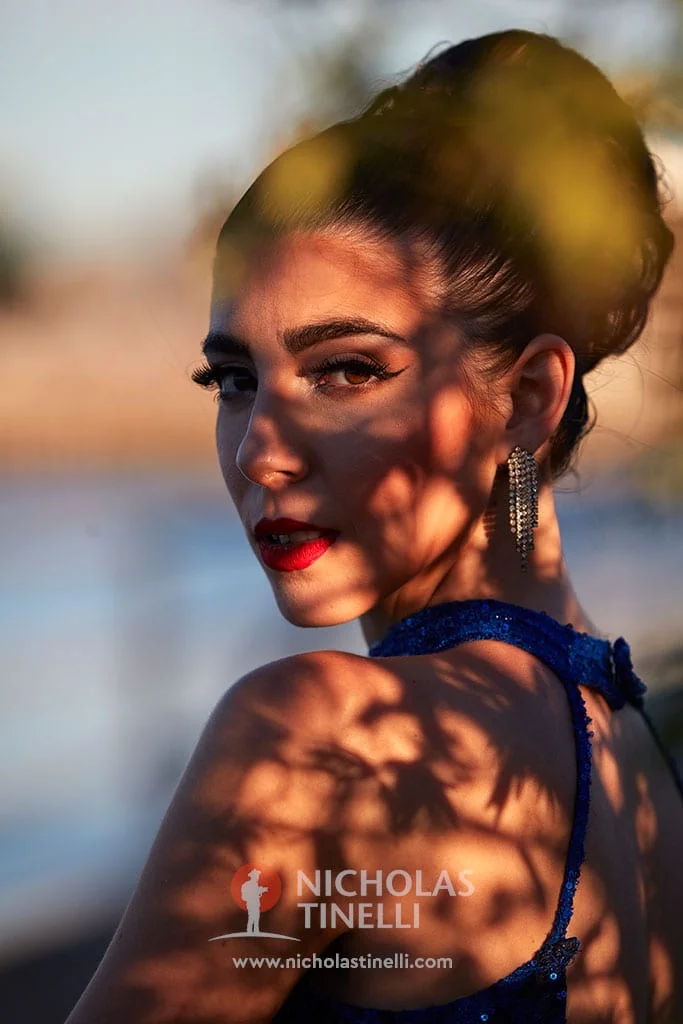
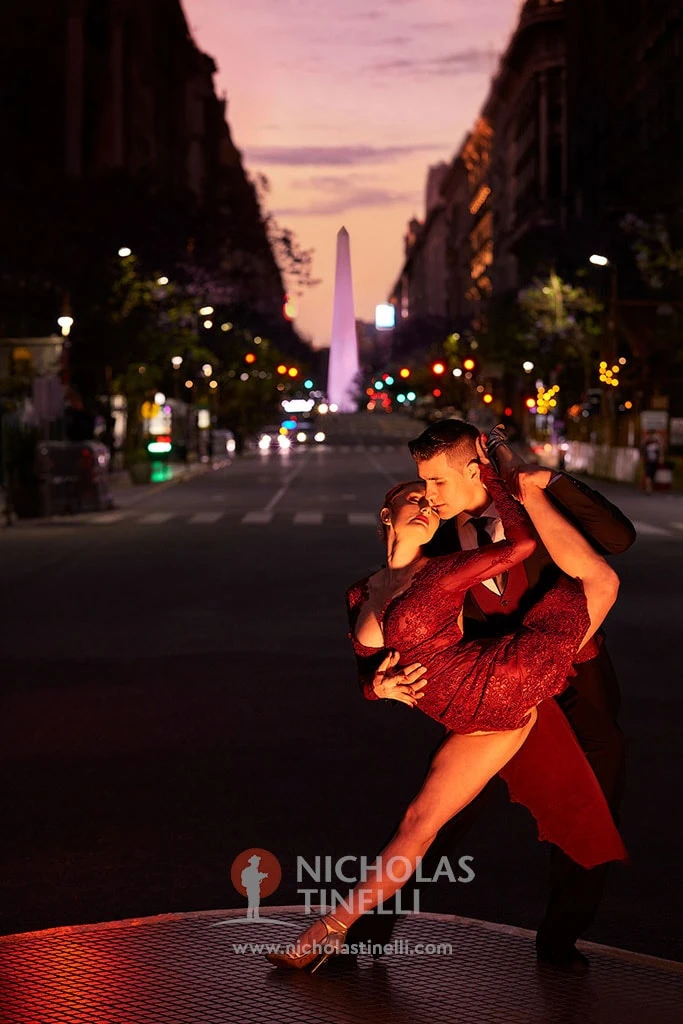
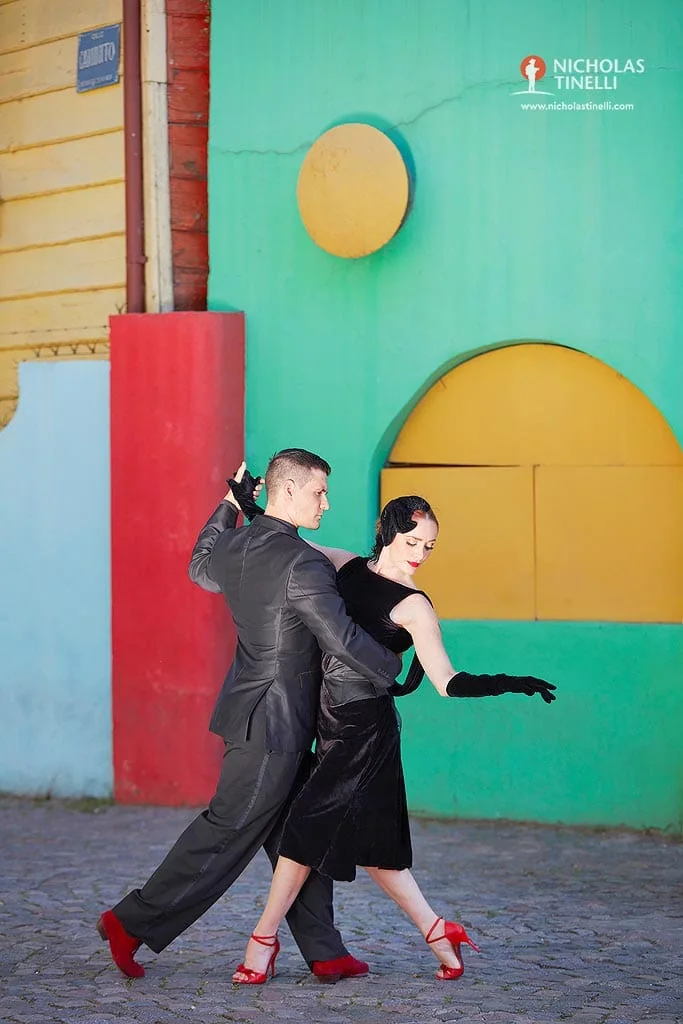
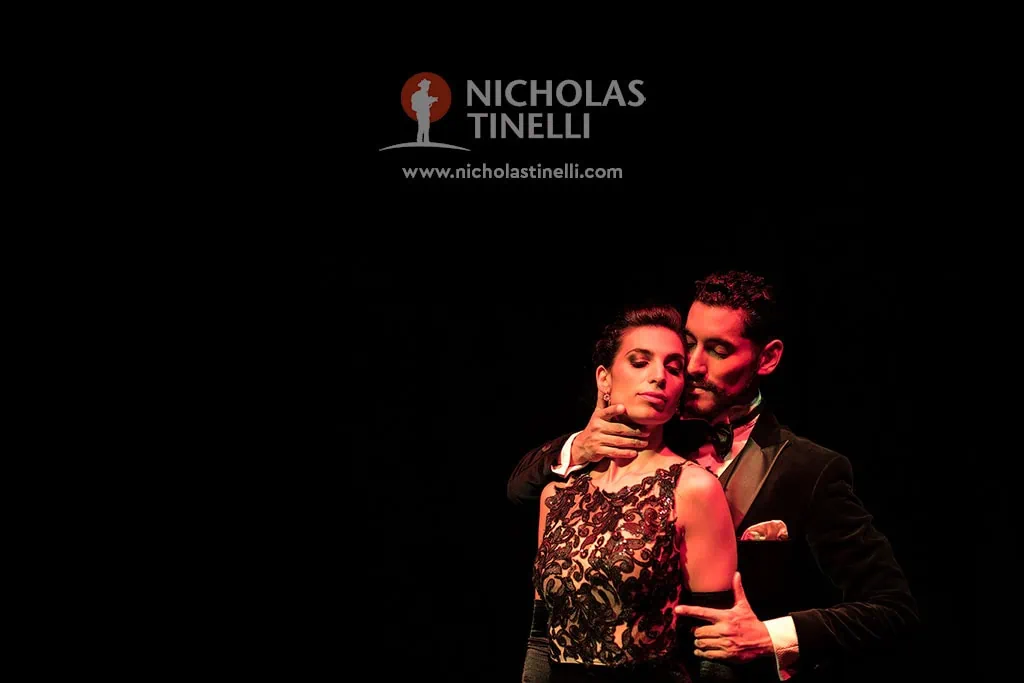
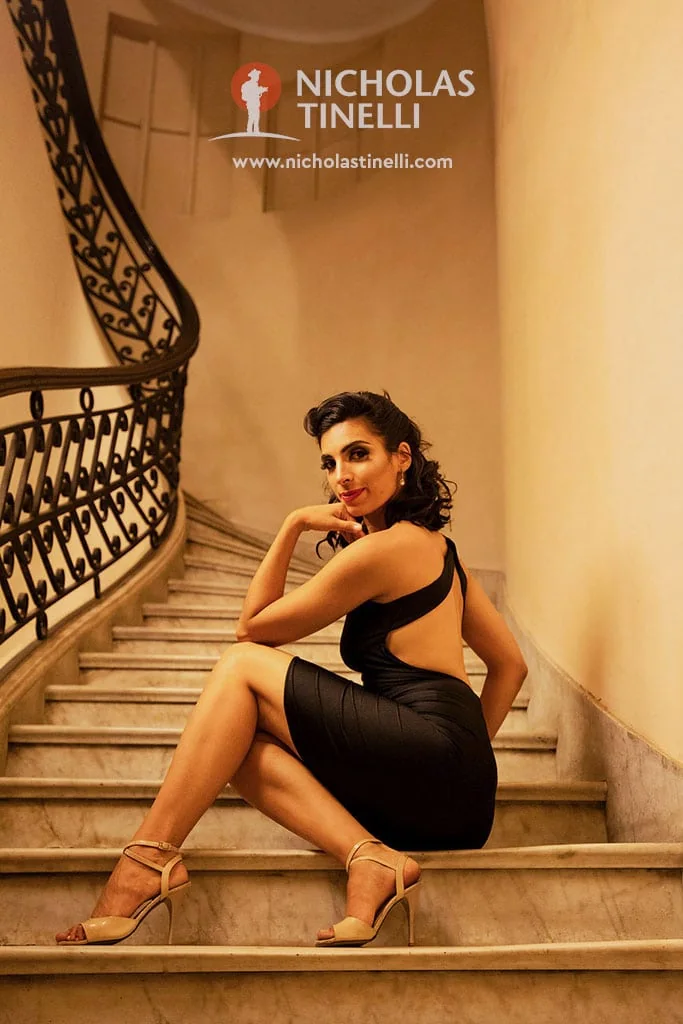
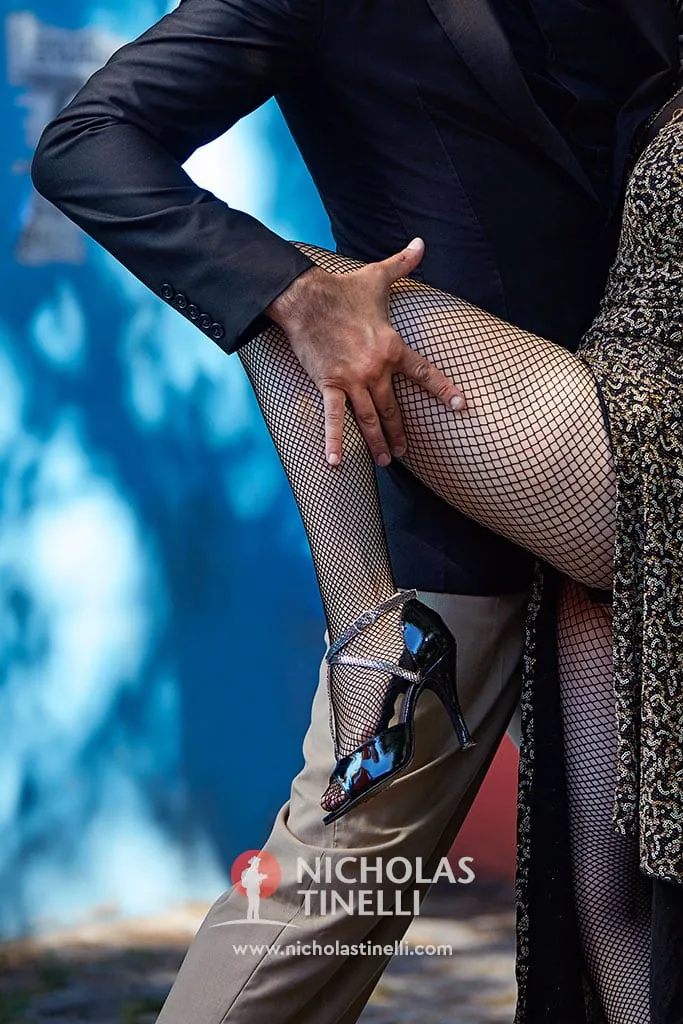
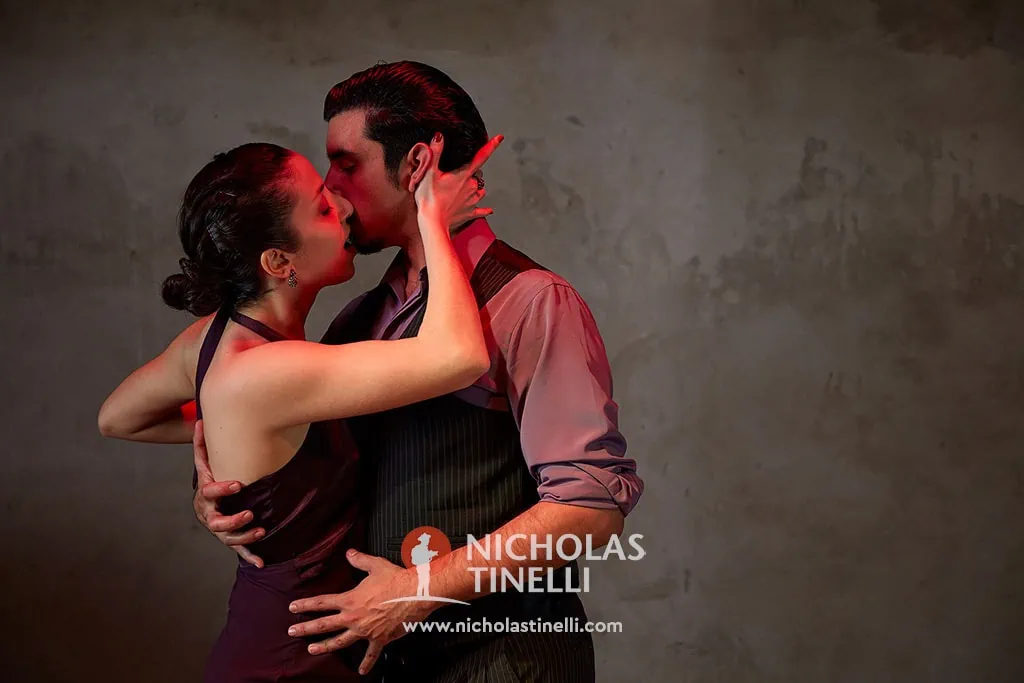
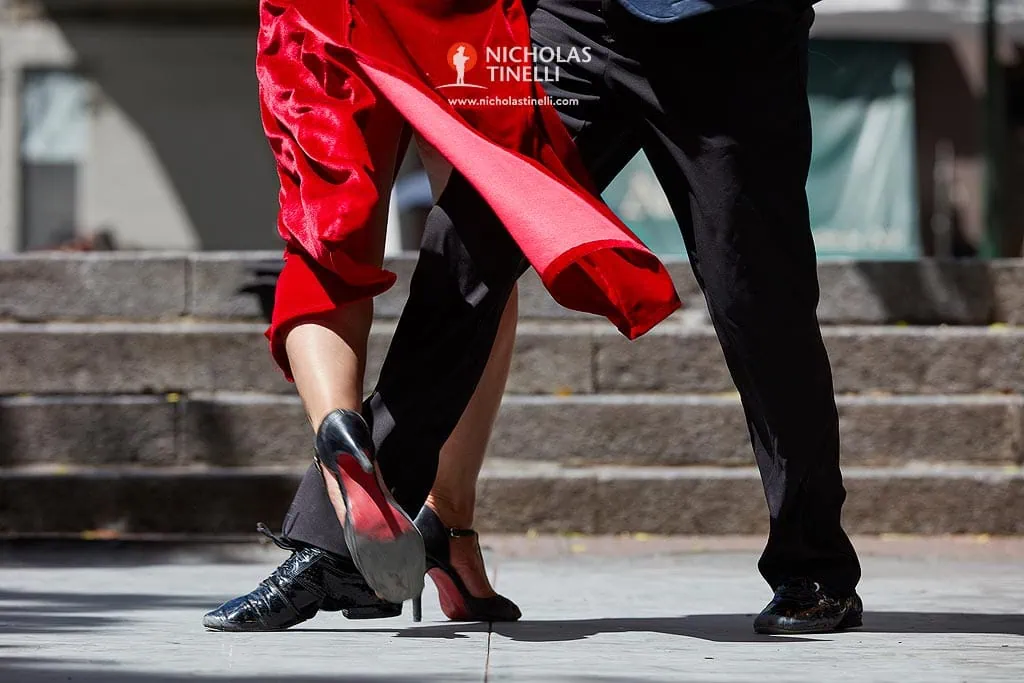
The art and passion of Tango, symbol of the Argentine culture in the world. Images of artists in Buenos Aires, in studio and outdoors, with the city as a backdrop.
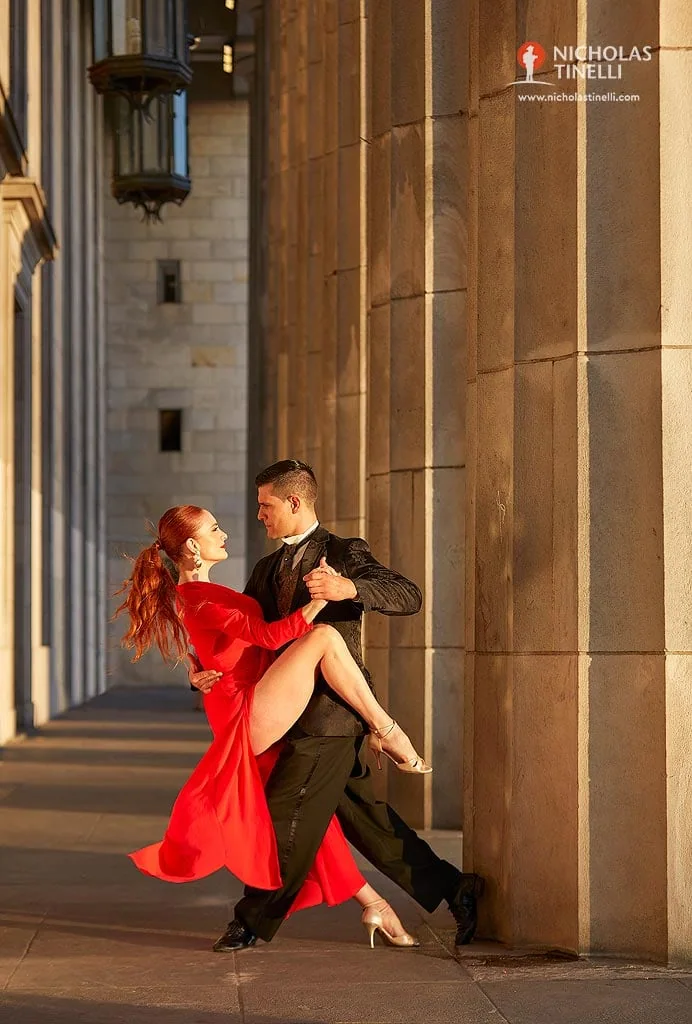
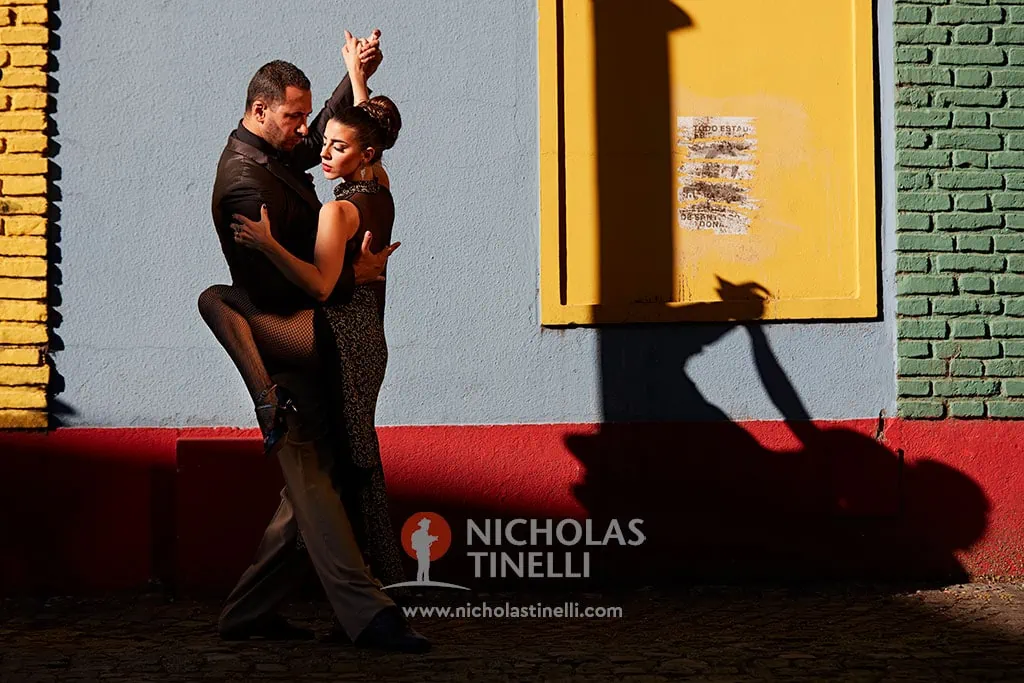
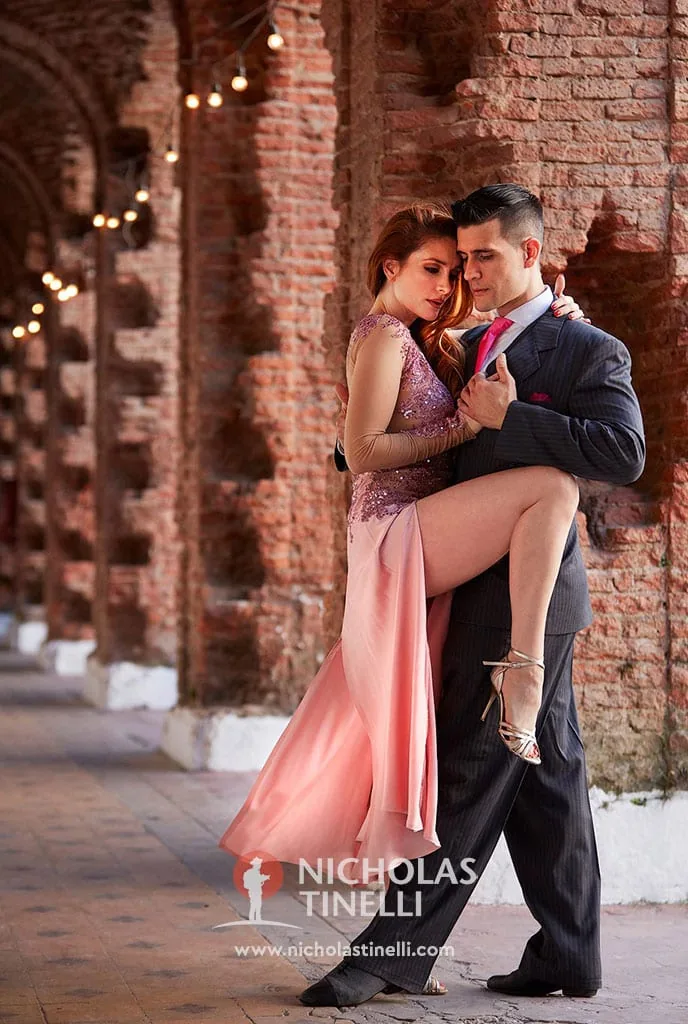
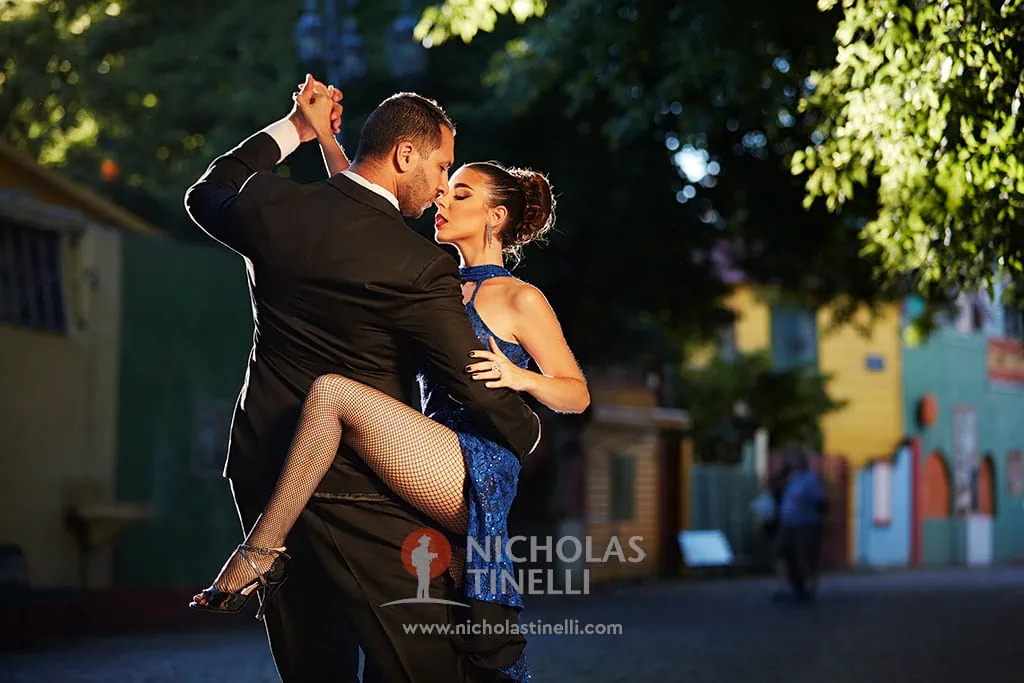
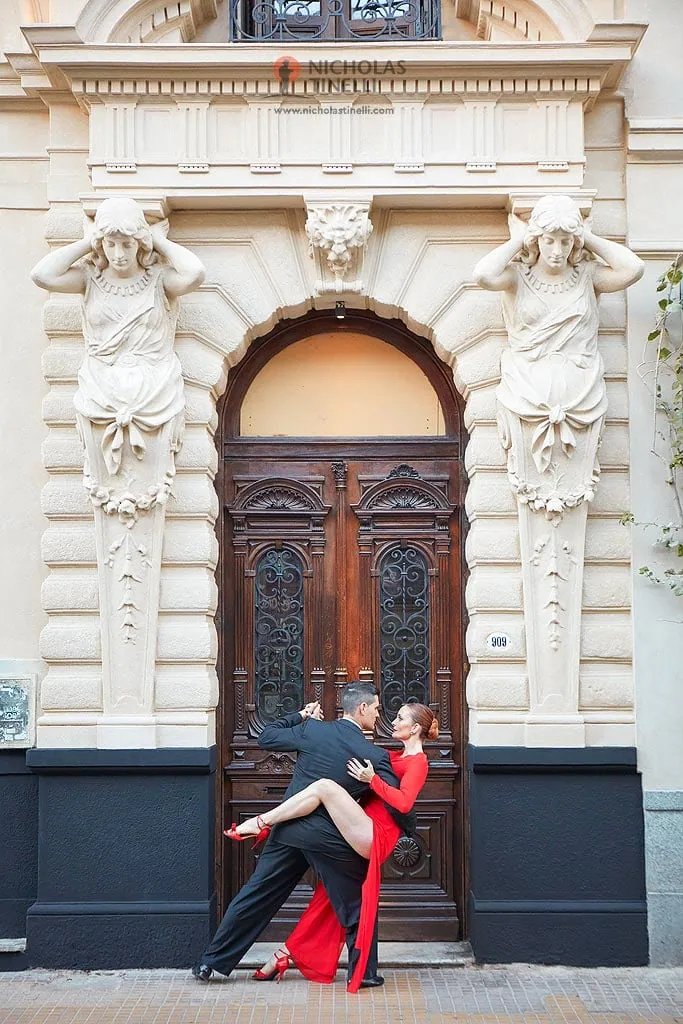
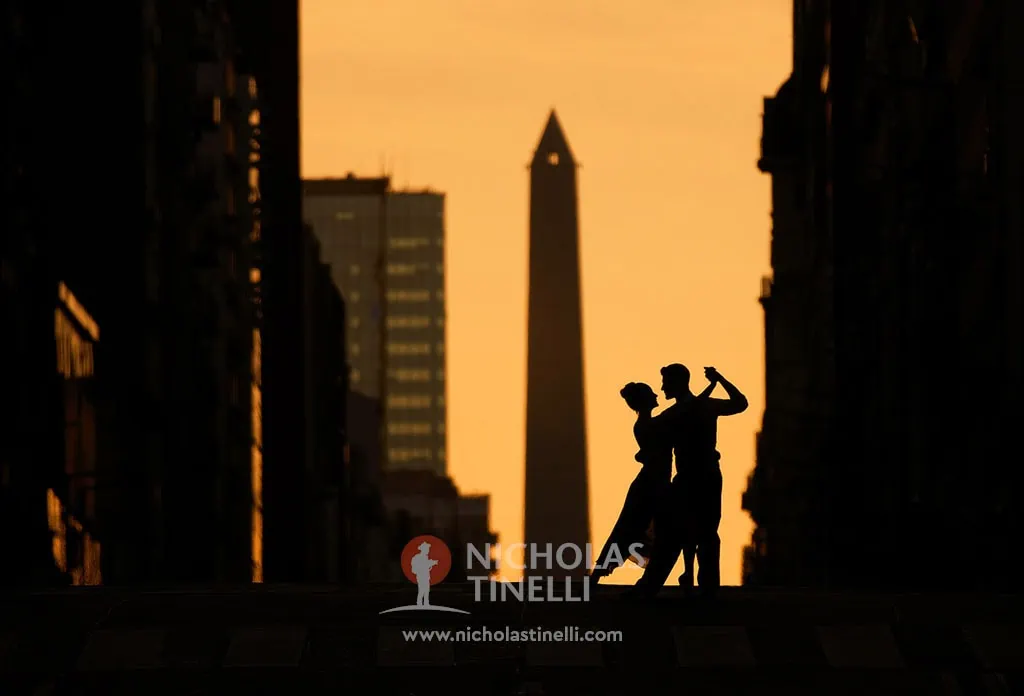
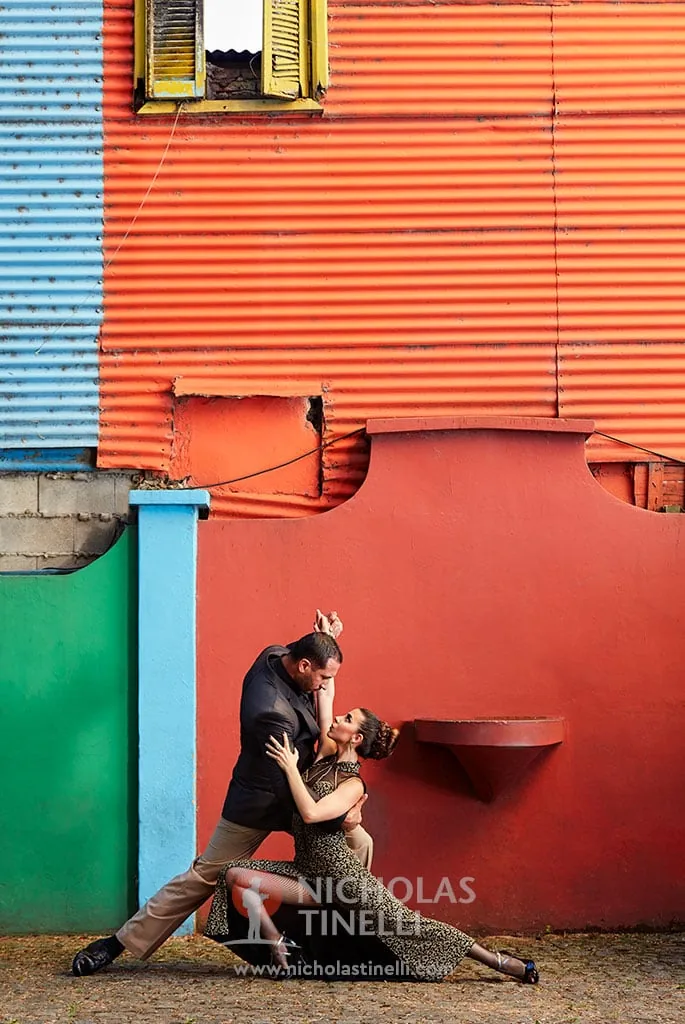
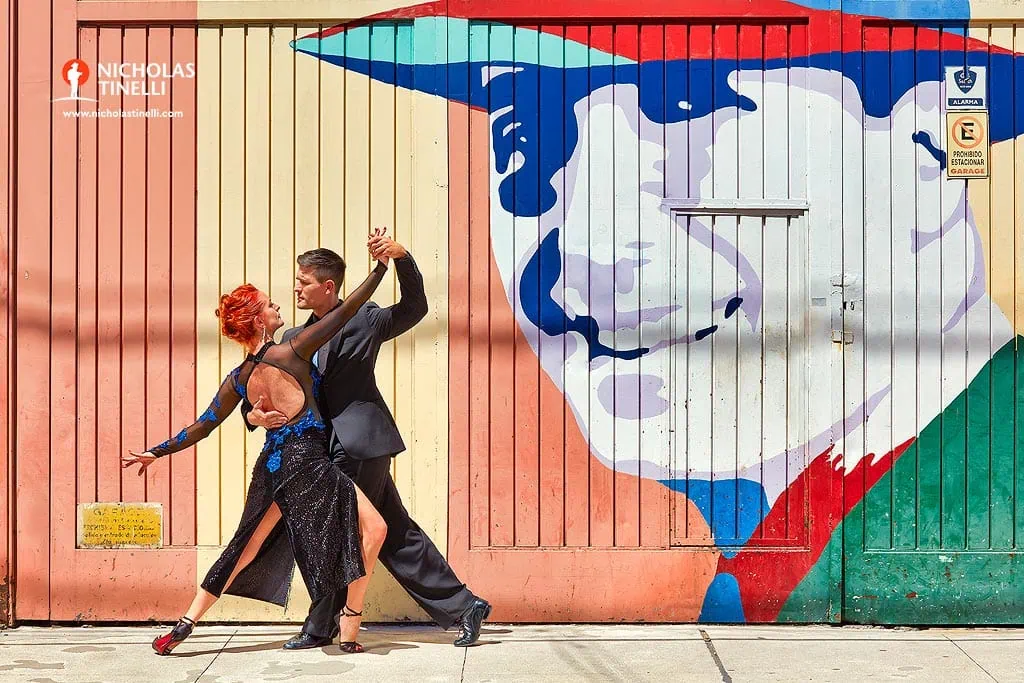
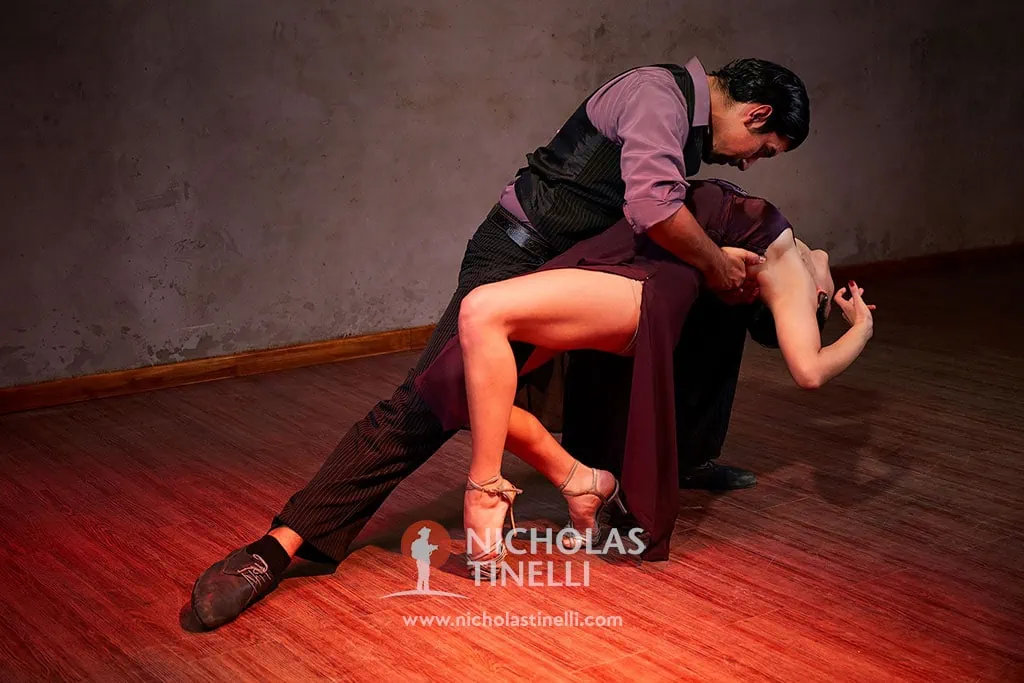
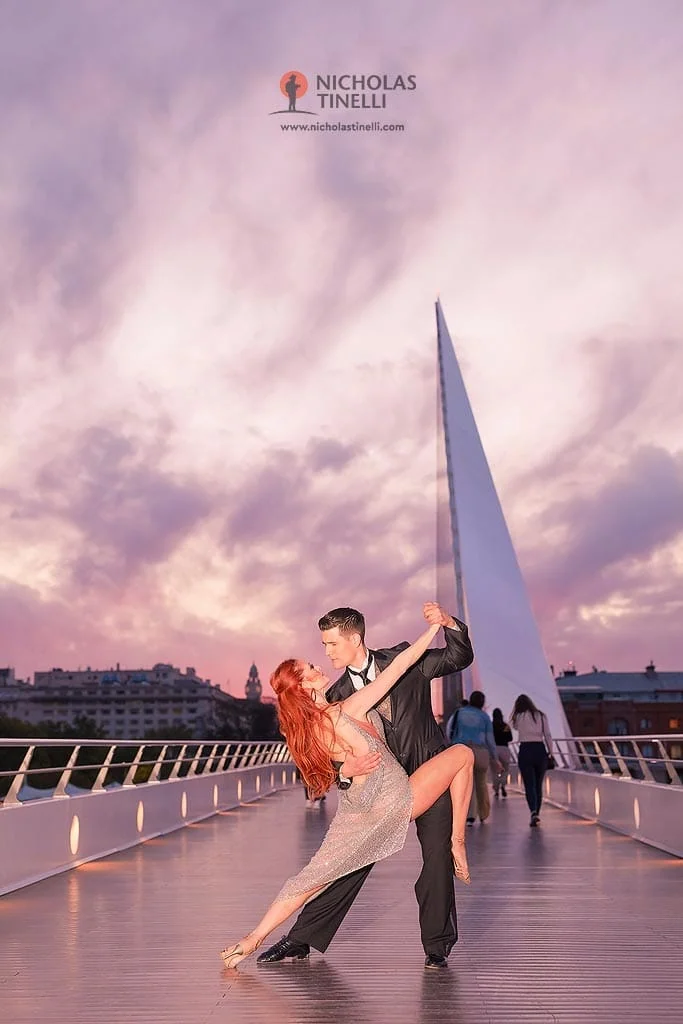
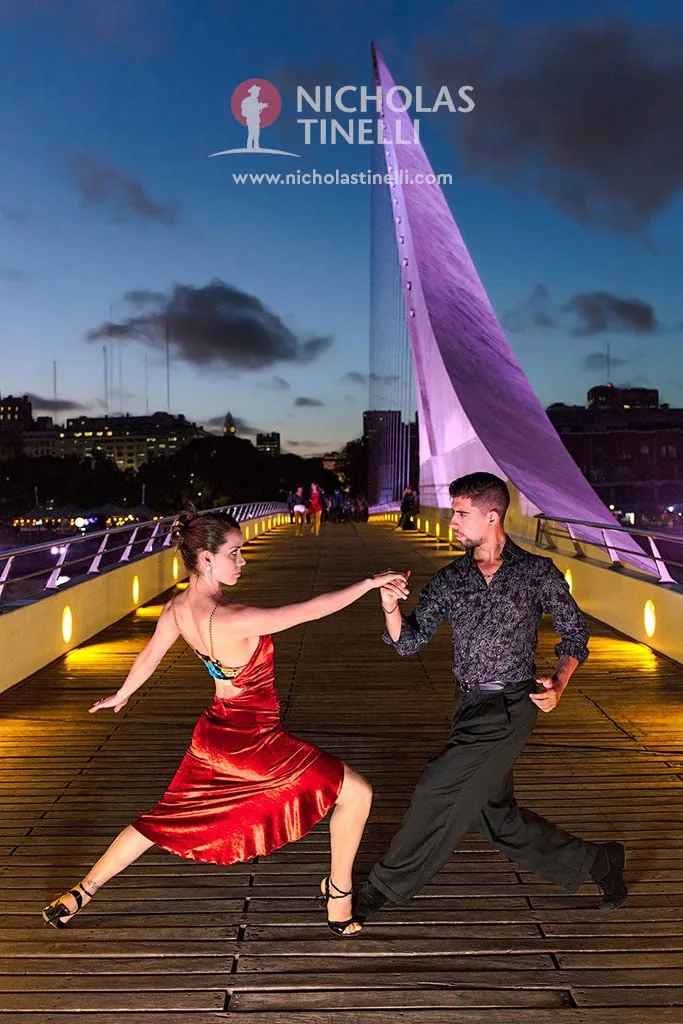
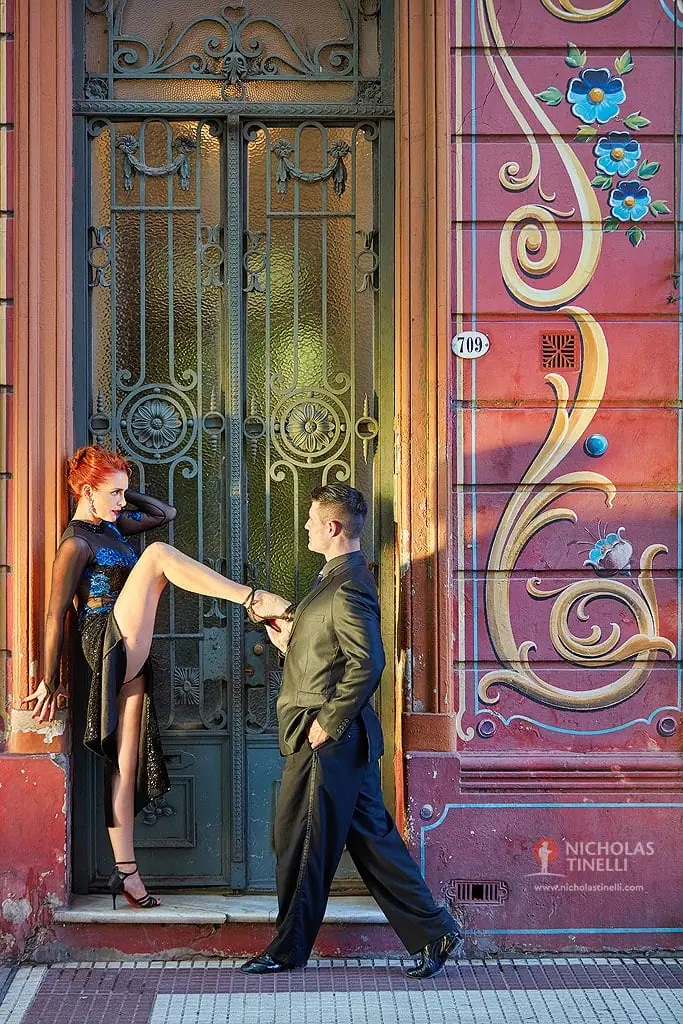
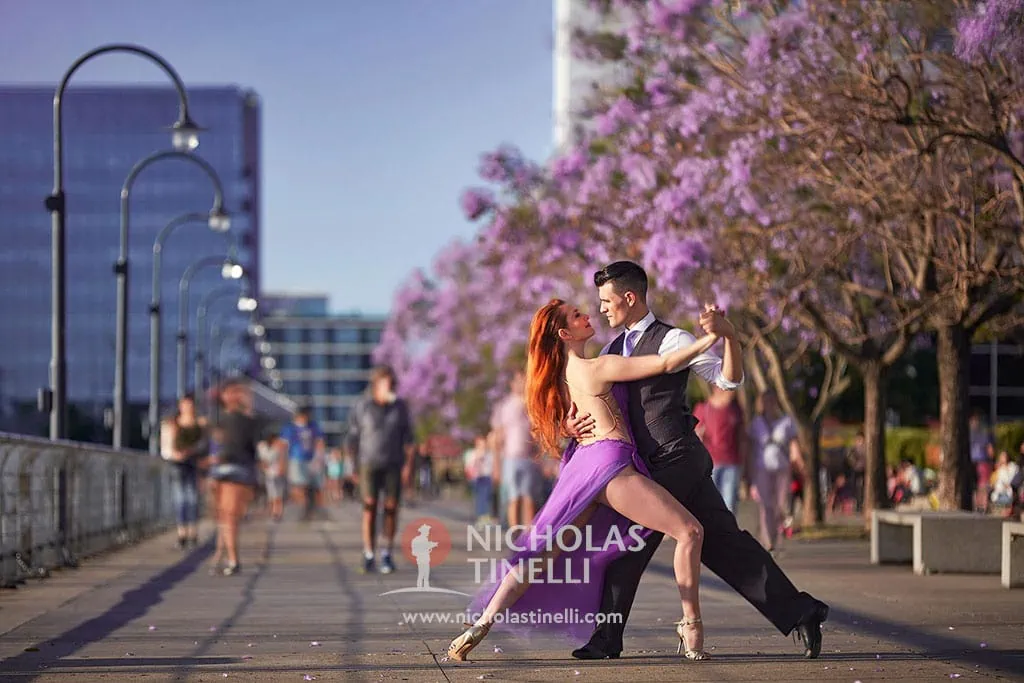
Photographing Tango in its birthplace, Buenos Aires, is a unique experience. It means entering a world of pure emotion, passion and tradition – a dance born in the heart of the city, in the narrow alleys of La Boca and San Telmo and in the halls of historic milongas.
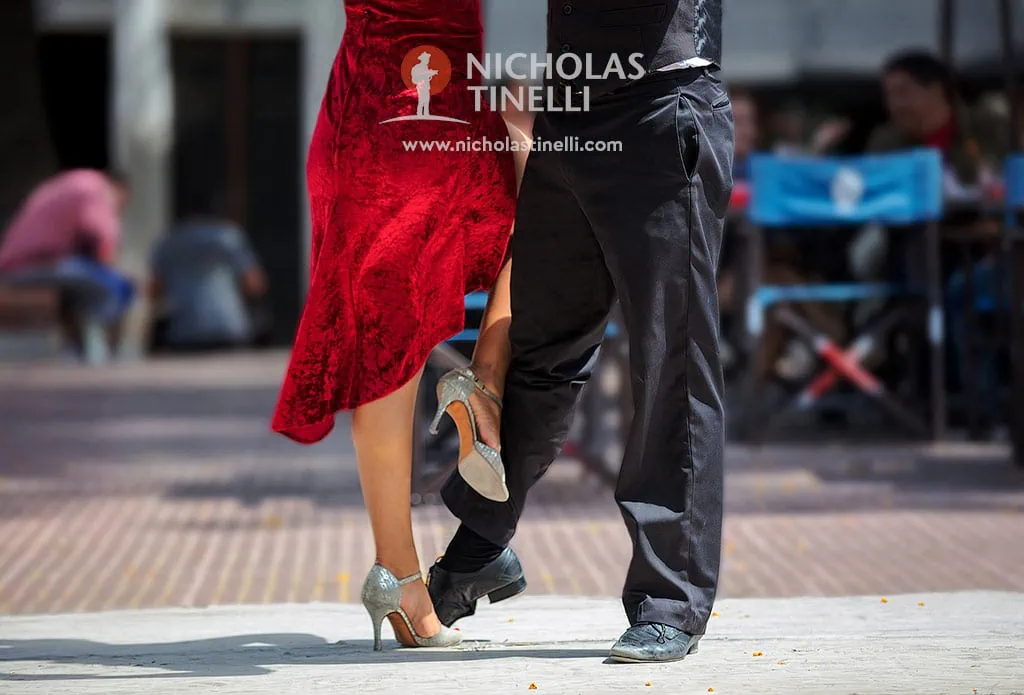
It is fascinating to watch two dancers meet in the embrace of a tango. The intensity of their gazes, the subtle tension in their posture, the elegance of each step. It is not just about framing the movement, but capturing a moment, the bond between two people and the heartbeat of an entire culture.
In Buenos Aires, tango is not a performance, but a language. A ‘living, breathing expression of the city’s identity. To photograph it here is to immerse oneself in the places where it still thrives, not only on the stage but also in the corners of the cafes, in the squares, in the nighttime milongas where time seems to stand still.
The History and Roots of Tango
Tango was born in Buenos Aires at the end of the 19th century, in the working-class neighborhoods that lined the city’s port and southern barrios — places like La Boca, Barracas, and San Telmo. It emerged from a melting pot of cultures: the children of European immigrants, Afro-Argentines, and native criollos, all living side by side in crowded conventillos and tenements. In these places of hardship and survival, music became a way of expressing longing, loss, and desire — and from that, tango began to take shape.
Its early roots are humble, raw, and deeply emotional. The music absorbed the rhythms of African candombe, the melancholy of rural milongas and payadas, the syncopation of habanera, and the dramatic storytelling of Italian and Spanish folk songs. But tango was more than just a musical fusion. It was a reflection of the city’s growing pains: the tension between tradition and modernity, the loneliness of migration, the grit and poetry of street life.
At first, tango lived in the margins — in brothels, bars, and low-lit dance halls, far from the elegant salons of the upper classes. It was considered vulgar, even scandalous, with its close embrace and improvisational style. But it couldn’t be contained. As Buenos Aires grew into a cosmopolitan capital, tango followed — climbing out of the barrios and onto the stages of Europe, particularly in Paris, where it was embraced as exotic and sophisticated. Only after this success abroad did Argentine high society begin to accept and celebrate what had been growing quietly at home.
By the 1920s and 30s, tango had become the heartbeat of Buenos Aires. The orchestras of Carlos Gardel, Julio De Caro, and later Aníbal Troilo and Osvaldo Pugliese filled the airwaves and theaters. The lyrics told stories of love, betrayal, and nostalgia — stories that mirrored the inner world of a city constantly reinventing itself.
Tango evolved, fractured, and reformed throughout the 20th century — shaped by politics, migration, and changing tastes. The golden age gave way to periods of decline, yet the dance never disappeared. It survived through the underground, through the dedication of dancers and musicians who refused to let it fade.
Today, tango is both heritage and experiment. It lives in the traditional milongas of Almagro and Villa Urquiza, but also in contemporary interpretations, stage performances, and global festivals. It is danced and played all over the world, yet nowhere does it feel as essential, as natural, as it does here in Buenos Aires — the city where it was born, and where it continues to pulse, quietly and intensely, through the cracks of its history.
Tango Photography Service in Buenos Aires
Step into the heart of tango with a dedicated photography experience that captures the soul of this iconic dance where it was born — Buenos Aires. Our Tango Photography Service is designed for dancers, musicians, couples, artists, or anyone drawn to the emotional depth, elegance, and intensity of tango.
Whether you’re looking for powerful portraits, storytelling images during a live milonga, or artistic documentation of your performance, I offer personalized sessions that combine cultural sensitivity with a cinematic eye.
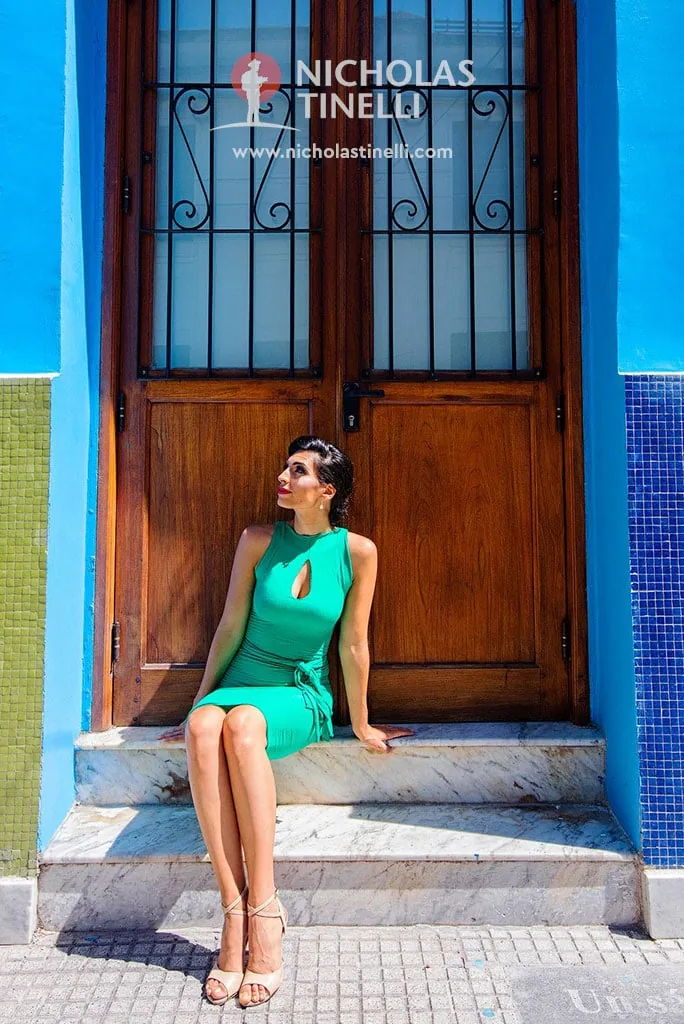
From the atmospheric streets of San Telmo and the historic cafés of La Boca to the intimate salons of traditional milongas, every location is carefully chosen to reflect the spirit of tango. The focus is not just on movement, but on the emotion — the silence between the steps, the embrace, the tension, the connection.
This is more than just a photo session — it’s a collaboration. You’ll work with a Local Professional Photographer who understands the codes of tango, its history, its rituals, and its poetry. Someone who knows how to move within the rhythm of the dance without interrupting its flow.
Sessions can be tailored for:
– Professional tango dancers and musicians
– Tango couples or solo dancers visiting Buenos Aires
– Tango-themed editorials or promotional material
– Behind-the-scenes storytelling at milongas or festivals
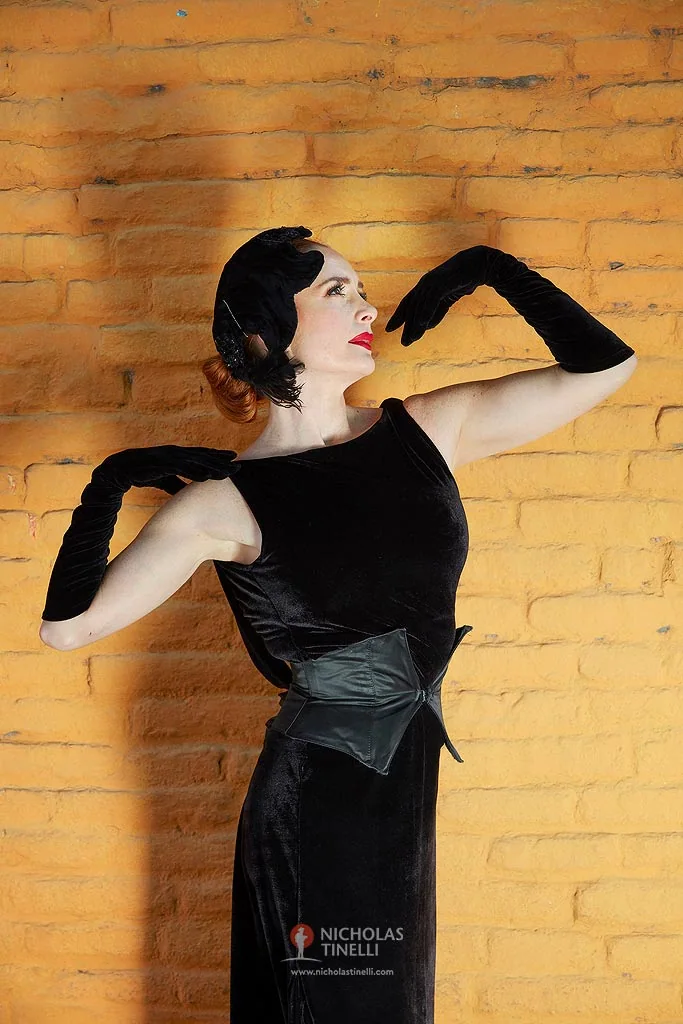
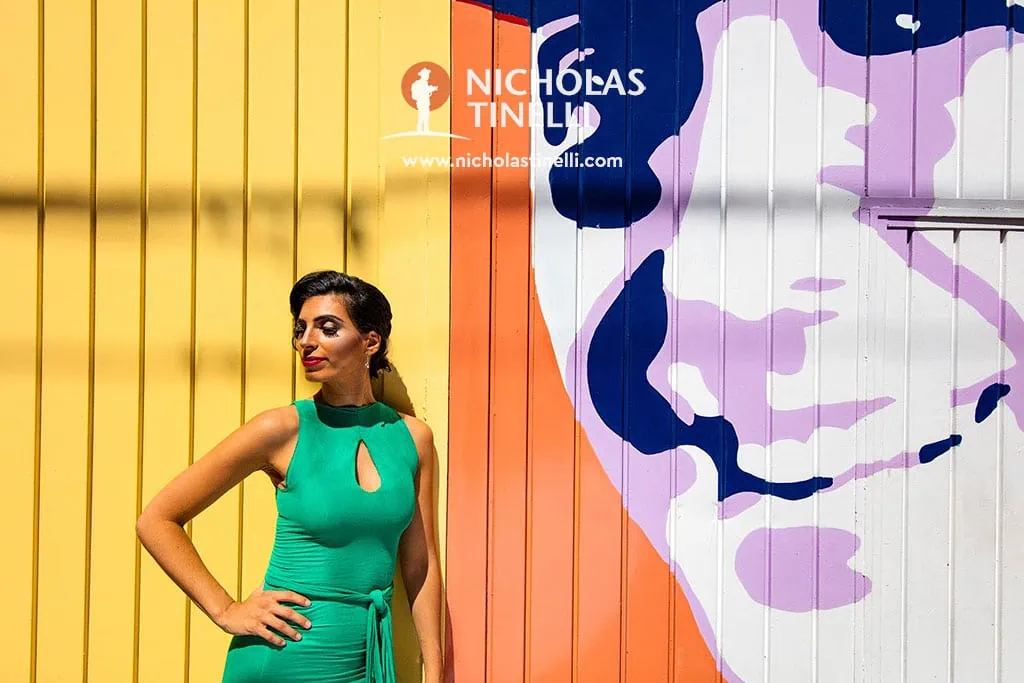
– Artistic and fine art tango portraiture
Every session includes location scouting, creative direction, and high-quality post-production. Optional services like video coverage, hair & makeup, or traditional wardrobe styling can also be arranged.
Let tango speak through powerful, timeless images — in the city where it all began.