In a digital era filled with color, filters, and instant gratification, black and white photography remains a timeless art form — a meditation on light, texture, and emotion.
The best Black and White Photography Books aren’t just collections of images; they are lessons in seeing, patience, and storytelling.
From the Masters of Photography who shaped the medium to contemporary artists keeping it alive today, these eleven books belong on the shelf of every passionate photographer — whether you shoot with film, digital, or a smartphone.
Table of Contents
Robert Frank – “The Americans”
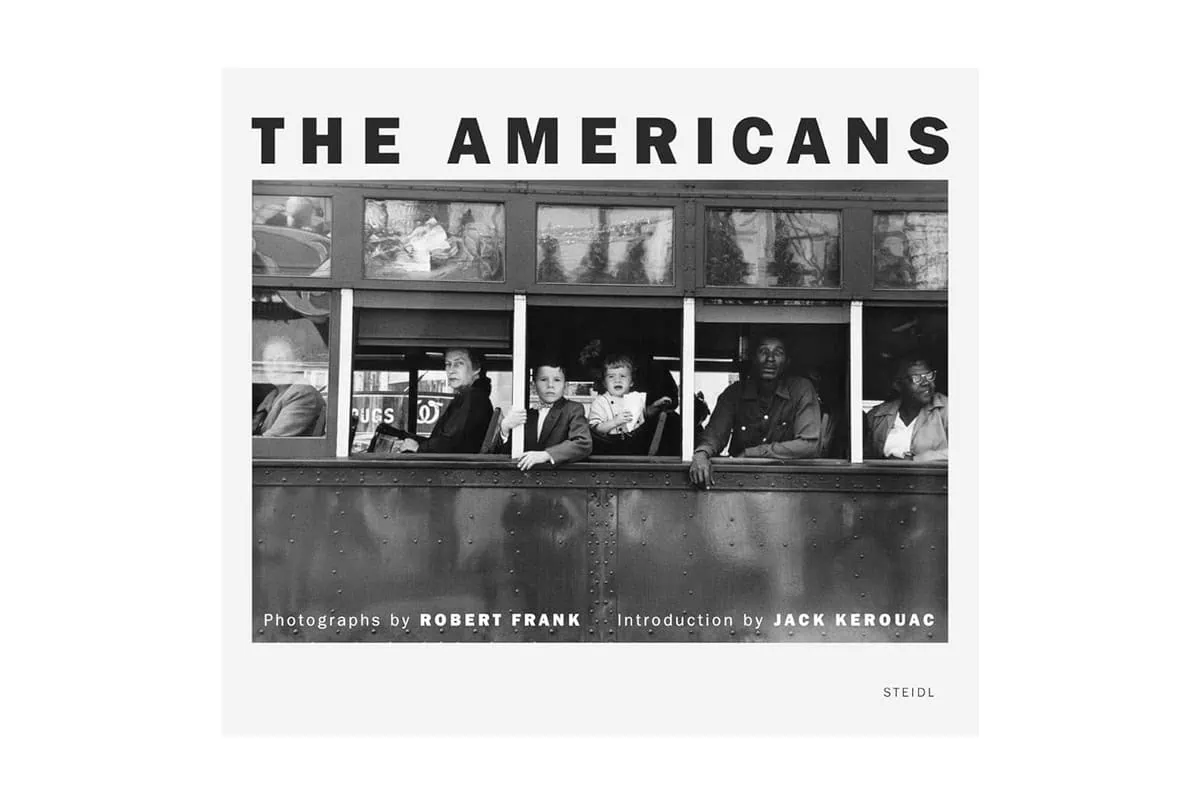
No list of photography books is complete without Robert Frank’s “The Americans”.
His 1958 masterpiece, born from a cross-country journey through postwar America, shattered conventions with its raw, emotional honesty.
Why it inspires:
When Robert Frank published The Americans in 1958, he changed photography forever. At first, the book was misunderstood — even criticized — for its blurry images, tilted horizons, and unconventional compositions. But what many saw as flaws were in fact the marks of a new, deeply personal vision.
He Changed Documentary Photography
Before The Americans, documentary photography often aimed to inform or beautify. Frank’s images did something different — they felt. His grainy black and white frames spoke of loneliness, hope, irony, and identity. He didn’t just show America; he expressed how it felt to move through it.
“I was looking for something that bound all people together,” Frank once said — and that search for emotional truth became his art.
He Broke the Rules
Frank’s compositions defied conventions. Subjects were off-center, faces obscured, horizons tilted. The result felt alive — spontaneous, unpredictable, human. By rejecting technical perfection, Frank liberated generations of photographers to trust intuition over control.
He Redefined the “American Dream”
In the 1950s, magazines and advertisements portrayed a flawless, prosperous America. Frank saw something different — segregation, isolation, contradictions between wealth and poverty. His quiet critique gave voice to realities that were otherwise invisible.
This emotional honesty made The Americans a mirror of both a nation and the human condition.
He Taught the Power of Storytelling
The Americans isn’t just a collection of photographs — it’s a visual novel. Each image flows into the next, building rhythm and emotion like chapters in a book. Frank showed that sequencing matters: how you arrange images can create meaning beyond the individual frame.
For any photographer learning to craft a coherent series or project, this lesson is invaluable.
He Inspired Generations of Photographers
From Garry Winogrand and Joel Meyerowitz to contemporary street and documentary artists, countless photographers cite Frank as a turning point. He made photography personal again — not just a record of the world, but a reflection of the self.
Every time you raise your camera with curiosity rather than judgment, or photograph imperfection with empathy, you’re following Frank’s legacy.
Ansel Adams – “400 Photographs”
Ansel Adams elevated the landscape into high art. His technical precision, tonal mastery, and environmental passion made him one of the true Masters of Photography.
This volume gathers 400 of his most celebrated black and white works, from the grandeur of Yosemite to the quiet detail of desert stones, offering an unparalleled journey through his artistic evolution.

Why it inspires:
Adams reminds us that patience, craft, and respect for nature lead to photographs that transcend time. Decades after his passing, Adams’s work still feels contemporary. His compositions are clean, his tones exquisite, his message urgent — respect for nature, and the beauty of simplicity.
A Masterclass in Light and Shadow
Every image in 400 Photographs demonstrates his mastery of tonal control — from the deepest blacks to the softest highlights.
He famously said, “You don’t take a photograph, you make it.”
Through his deliberate use of exposure, filters, and printing, Adams made images that expressed how a place felt, not just how it looked. He teaches photographers to chase light with intention — to understand how every shift in tone and contrast shapes emotion.
Patience and Precision
Behind each of Adams’ masterpieces lies immense patience. He could waiting long time for the right light, and he hiked miles with heavy equipment to reach remote locations.
In 400 Photographs, you can see the evolution of a man dedicated to his craft — from early experiments to mature, iconic works. He reminds us that great images are rarely accidents. They’re the result of commitment, discipline, and an intimate relationship with the subject.
The Zone System — A Legacy of Craftsmanship
Ansel Adams co-developed the Zone System, a method for controlling exposure and contrast to achieve precise tonal results. Though created for film, its principles remain invaluable for digital photographers today.
Through 400 Photographs, readers can see the real-world application of this system — images with perfect balance between luminosity and depth. Adams bridges art and science. He shows that understanding technique doesn’t limit creativity — it empowers it.
A Spiritual Connection with Nature
More than a technician, Adams was a poet of the natural world. His photographs express reverence — mountains become cathedrals, rivers become songs.
He once said, “The clearest way into the Universe is through a forest wilderness.”
In his images, nature isn’t just a subject — it’s a teacher.
Adams awakens a sense of respect and wonder for the planet, reminding photographers to protect what they capture.
Henri Cartier-Bresson – “The Decisive Moment”
A defining black and white photography book, Cartier-Bresson’s The Decisive Moment introduced the idea that great photography is about capturing life at its most fleeting.
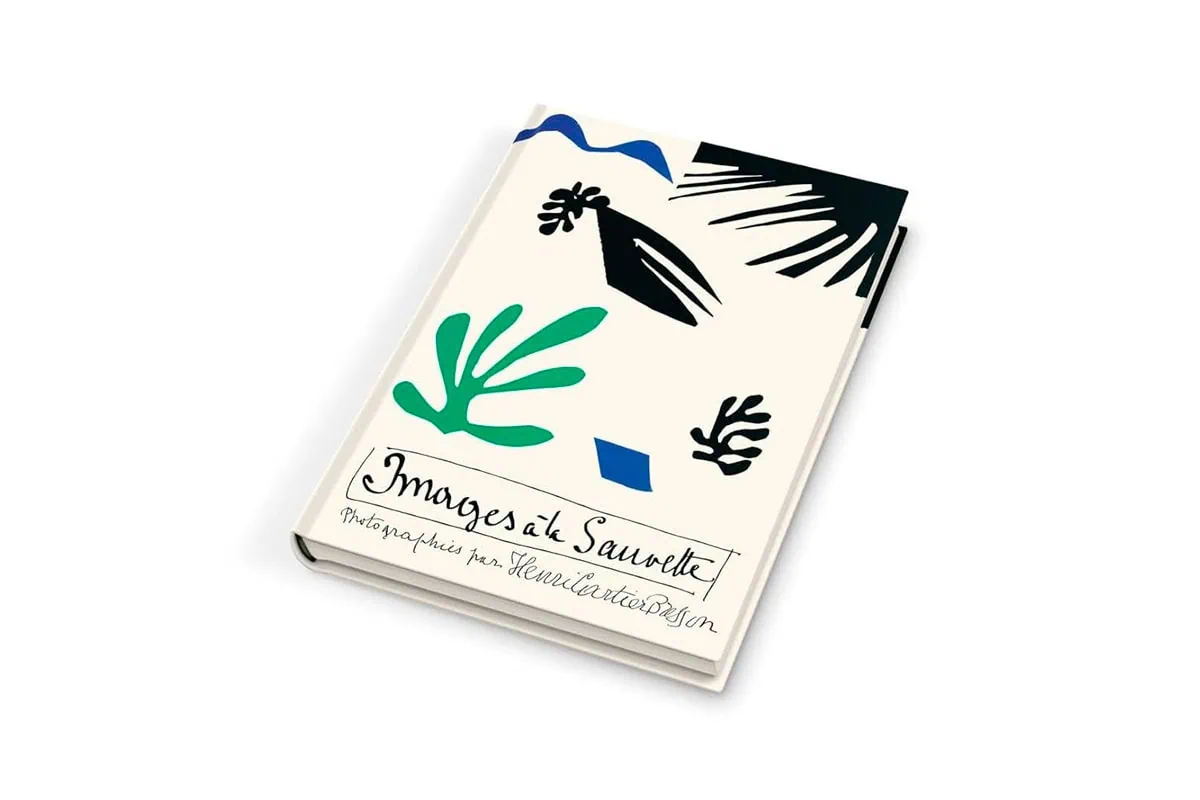
When Henri Cartier-Bresson released Images à la Sauvette in 1952 — later known in English as The Decisive Moment — he changed the language of photography forever. With a small Leica camera and an unmatched eye for timing, Cartier-Bresson captured instants that revealed profound truths about human life.
Why it inspires:
His philosophy of “the decisive moment” teaches photographers to anticipate emotion — to click when the world aligns in rhythm, geometry, and feeling.
The Birth of the “Decisive Moment”
Cartier-Bresson introduced a revolutionary concept — the idea that every scene holds one perfect instant where form, emotion, and meaning converge. To capture it, a photographer must be alert, patient, and fully present.
Each image in The Decisive Moment — from children playing in the streets of Seville to lovers by the Seine — captures that split second when chaos turns into harmony.
Teaching photographers to anticipate rather than react, to feel the rhythm of a scene and press the shutter at the heartbeat of the story.
The Poetry of Composition
Before he became a photographer, Cartier-Bresson studied painting. That background shaped his approach to framing — lines, geometry, and balance were as vital to him as the subjects themselves.
In The Decisive Moment, his mastery of composition transforms ordinary scenes into visual poetry. Every frame feels deliberate, yet alive — structured, yet spontaneous.
Humanity at the Core
While many photographers of his time focused on monumental subjects, Cartier-Bresson turned his lens toward humanity itself — everyday gestures, laughter, solitude, and joy.
His work reveals the universality of experience — the things that connect us beyond culture or language. The faces he photographed still resonate because they speak of timeless emotions.
Showing that photography isn’t about equipment or settings — it’s about empathy and connection. The camera becomes a bridge between observer and subject.
A Minimalist’s Approach to Gear and Process
Cartier-Bresson’s philosophy was simple: travel light, think deeply, and move quickly. He used a single 35mm camera, one lens, and available light.
He once said, “Sharpness is a bourgeois concept.” What mattered wasn’t technical perfection, but the feeling — the essence of a moment.
His approach liberates photographers from overthinking gear and post-production. The magic lies in vision and timing, not pixels or lenses.
A Legacy That Defines Street and Documentary Photography
Without The Decisive Moment, modern street photography as we know it wouldn’t exist. His philosophy inspired generations — from photojournalists like Sebastiao Salgado to contemporary artists exploring candid life in cities around the world.
The book continues to guide photographers seeking to capture truth in everyday life — teaching that patience, curiosity, and awareness are the keys to authenticity.
Sebastião Salgado – “Workers: An Archaeology of the Industrial Age”
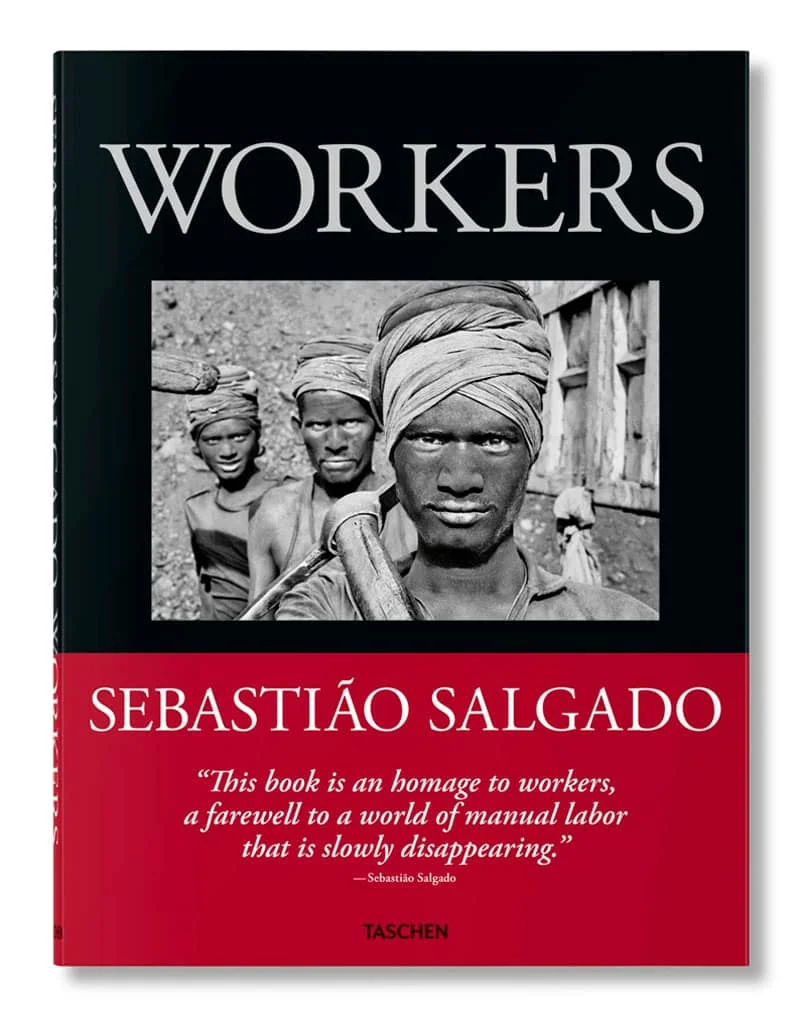
Salgado’s monumental project Workers documents laborers around the world. His black and white palette amplifies both the dignity and struggle of his subjects.
Published in 1993, Workers is a global journey into the fading world of manual labor at the twilight of the 20th century. Over six years, Sebastião Salgado traveled through 26 countries, documenting miners, steelworkers, farmers, shipbuilders, and factory laborers.
Why it inspires:
Salgado blends social conscience with stunning visual artistry — proof that photography can move hearts and provoke thought.
A Monument to Human Dignity
In an era increasingly defined by machines and profit, Salgado turned his lens toward people — the ones whose sweat, resilience, and skill shaped civilizations.
His images don’t pity or romanticize. They honor. Every photograph — whether it’s of a gold miner in Serra Pelada, Brazil, or a ship-breaker in Bangladesh — radiates strength and dignity.
Salgado reminds photographers that the camera is not only an artistic tool, but a moral one. His empathy and respect transform documentary work into humanistic storytelling.
The Power of Black and White
Salgado chose black and white to strip away distraction and focus on essence — the interplay of light, texture, and emotion. The stark contrasts amplify the tension between beauty and suffering, progress and loss.
Each image feels timeless, monumental, and elemental — like sculpture carved from shadow and light.
For anyone passionate about black and white photography, Workers is a masterclass in how monochrome can heighten emotional impact and universal meaning.
Global Vision, Intimate Storytelling
Though photographed across continents, Workers feels cohesive — unified by Salgado’s sensitivity and vision. He immerses himself in each environment, earning trust and revealing the humanity behind labor’s anonymity.
He doesn’t merely observe; he participates. His presence is quiet but compassionate, and his photographs reflect that closeness. To tell real stories, photographers must first listen — with patience, humility, and heart.
The Fusion of Art and Activism
Salgado’s photography stands at the intersection of aesthetics and ethics. His images are breathtakingly beautiful — yet they never lose sight of social truth. Workers is not only an art book but also a document of cultural and economic transition, capturing a disappearing world before globalization’s full force.
In this way Salgado proves that photography can both move hearts and open eyes — that beauty and social consciousness can coexist, amplifying each other.
A Vision of Humanity
Salgado sees work not as toil, but as ritual — a fundamental expression of what it means to be human. His grand compositions and vast frames elevate everyday labor into mythology.
The miners at Serra Pelada, climbing endless ladders of mud and gold, resemble ancient figures from a lost civilization. Through them, Salgado connects modern industry to timeless human struggle and pride.
Daidō Moriyama – “Stray Dog”
Grainy, chaotic, and intensely personal, Stray Dog captures the soul of post-war Japan. Moriyama’s unconventional approach to framing and tonality makes this one of the most evocative black and white photography books ever published.
When Stray Dog was published in 2001, it wasn’t just another Photography Book — it was a manifesto. A distillation of Daidō Moriyama’s restless vision, the book captures Japan’s urban underbelly with stark intimacy and grit.
Its title image — a black dog glaring at the camera, tense and alert — became one of the most iconic symbols of postwar Japanese photography. Like the animal it portrays, Stray Dog is untamed, instinctive, and defiantly alive.
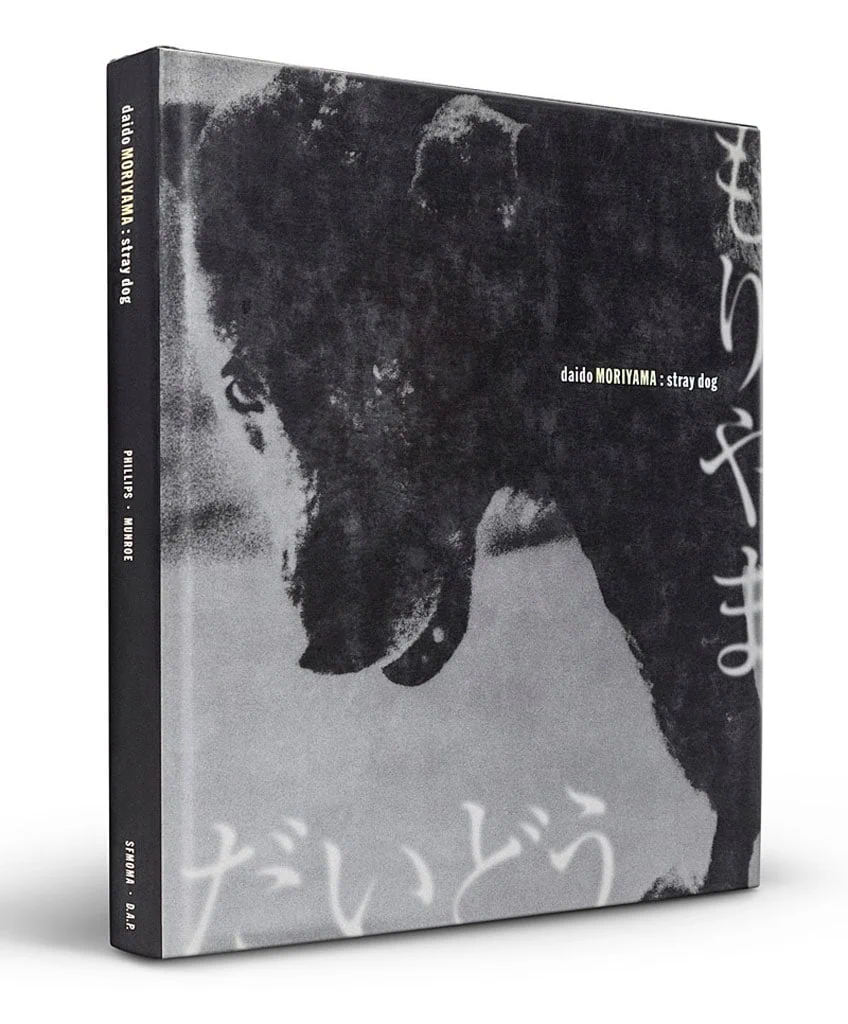
Why it inspires:
He shows us that emotion matters more than perfection — that photography is an act of feeling.
The Freedom to Break the Rules
Moriyama’s work rejects perfection. His images are often grainy, blurred, overexposed, or tilted — but they’re alive. His style, influenced by the Provoke movement of the late 1960s, was a rebellion against the polished, Westernized aesthetics dominating Japanese media.
He proved that imperfection can carry more emotional truth than technical precision.
The City as a Mirror of the Self
In Stray Dog, Tokyo is not just a setting — it’s a character. Its alleys, neon lights, and fleeting faces reflect the loneliness and fragmentation of modern existence.
Moriyama photographs instinctively, wandering the streets like the stray dog of his title — alert, curious, untethered. His vision is both documentary and autobiographical, blurring the line between outer chaos and inner emotion.
He shows photographers how to use the city as a mirror — to explore not just what they see, but who they are through the act of seeing.
The Emotional Power of Grain and Contrast
Moriyama’s use of high contrast and coarse grain turns his photographs into emotional experiences. The textures of shadow and light evoke movement, memory, and uncertainty — like fragments of a dream.
Far from aesthetic flaws, these elements become his visual language — one that speaks of speed, anonymity, and disconnection in the urban age.
For black and white artists, Moriyama demonstrates how texture and tone can evoke feeling as strongly as subject matter.
Photography as a Diary of Instinct
Moriyama often says he photographs “without thinking.” He trusts instinct — capturing impressions, gestures, or sensations before they can be analyzed.
This raw, impulsive method turns his work into a personal diary of perception — fragments of the subconscious expressed through the camera.
He encourages photographers to follow intuition, to shoot from emotion rather than intellect — to feel before framing.
The Spirit of the Outsider
At its heart, Stray Dog is a celebration of the outsider — of being untamed in a world that demands conformity. Moriyama identifies with this condition deeply; his photographs are acts of defiance and freedom, not comfort or control.
The titular image — the lone dog — captures that entire philosophy: wary, independent, yet vibrantly alive.
Fan Ho - “Hong Kong Yesterday”
Published decades after his photographs were taken, Hong Kong Yesterday reveals a body of work that feels both timeless and deeply nostalgic.
Shot mainly during the 1950s and 1960s, when Hong Kong was rising from postwar poverty into modernity, Fan Ho’s images capture a city in motion — through rain-soaked alleys, smoky markets, and shafts of golden light cutting through urban haze.
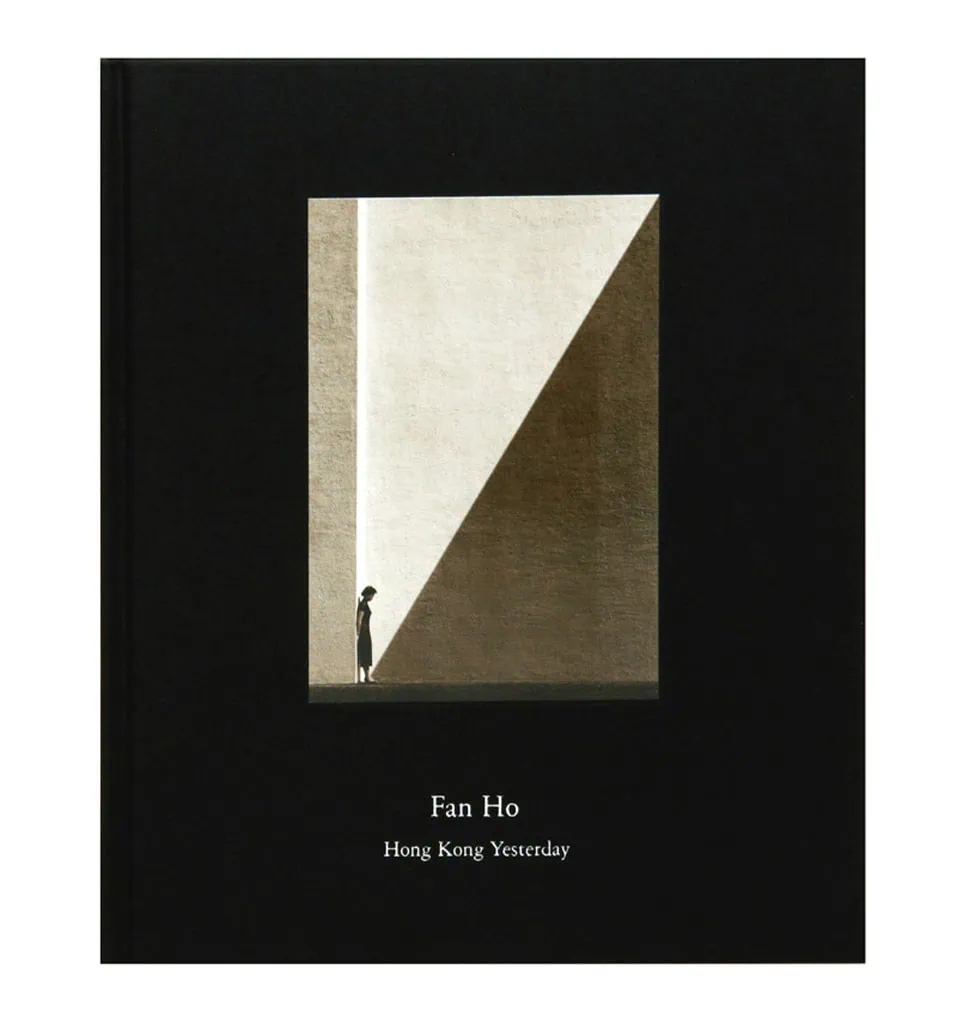
Why it inspires:
Fan Ho was often called the Master of Light. His photographs are built around luminous contrasts — strong sunlight filtered through fog, silhouettes framed by architectural lines, reflections shimmering on wet streets.
His handling of chiaroscuro evokes classical painting as much as modern photography. Light in his images isn’t just illumination — it’s emotion, rhythm, and character.
Fan Ho teaches that in photography, light is not a technical element — it’s the language of feeling. To master it is to speak in emotion.
Storytelling Through Geometry and Timing
Every composition in Hong Kong Yesterday feels choreographed, yet spontaneous.
Fan Ho would often wait patiently for the right figure to step into a frame of perfect symmetry — a child running through mist, a rickshaw crossing an alley, a woman balancing shadows on her shoulders.
His sense of geometry, inherited from his background in cinema and painting, turned urban chaos into graceful visual order.
He shows that patience and vision turn the ordinary into the extraordinary — that the decisive moment, when form and feeling align, can transform a fleeting instant into timeless art.
Humanity Amid the Urban Landscape
While his photographs are visually stunning, their emotional core lies in empathy. Fan Ho didn’t just photograph Hong Kong’s streets; he lived in them.
He was deeply drawn to the everyday people — children, street vendors, laborers — whose lives unfolded within the city’s narrow lanes.
Through his lens, Hong Kong becomes both stage and character — full of movement, tenderness, and resilience. Behind every photograph is a pulse — the shared humanity that connects photographer, subject, and viewer.
The Power of Nostalgia and Memory
Although Fan Ho’s work is deeply rooted in its time, it transcends nostalgia. His images are not sentimental records but meditations on memory — a love letter to a city that was disappearing even as he photographed it.
Hong Kong Yesterday feels like opening an old diary where each page breathes life again. His compositions, while precise, are suffused with emotion — a sense of longing and quiet grace.
A Bridge Between East and West
Fan Ho’s visual language blends the poetic minimalism of traditional Chinese art with the formal rigor of Western modernism. His images feel cinematic and timeless — as if he stood at the crossroads of cultures, translating one into the visual language of the other.
Dorothea Lange – “Words and Pictures”
Through the lens of empathy, Lange documented America’s most vulnerable during the Great Depression. Words and Picture, this beautifully edited photography book pairs her images with her field notes and essays, revealing her deep respect for her subjects.
This Black and White Photography Book was published by MoMA as part of the museum’s landmark exhibition in 2020.
Dorothea Lange’s photographs are among the most recognizable in history — the migrant mother, the displaced farmer, the weary worker. But Words and Pictures invites us to see her differently: not just as a documentarian, but as a storyteller and humanitarian who used both image and text to awaken compassion.
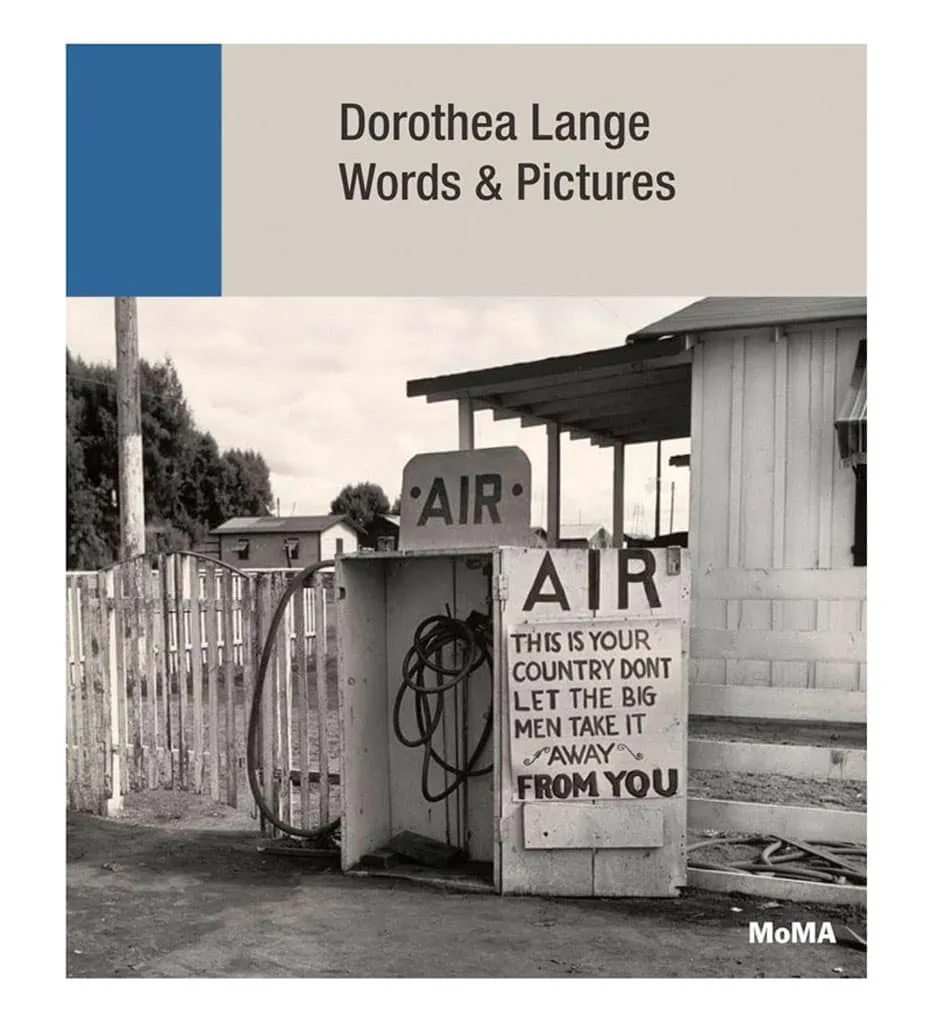
Why it inspires:
At the heart of Lange’s work is empathy. Her camera gave visibility to those living at the margins — migrants, laborers, and families devastated by the Great Depression and Dust Bowl.
In Words and Pictures, her photographs are paired with field notes, captions, and essays that reveal how deeply she cared about context. For Lange, photography was not about aesthetic beauty, but human truth.
She reminds us that the camera can be an instrument of social conscience — a means to witness, to listen, and to stand beside those unheard.
Image and Language
Unlike many photographers of her era, Lange understood the power of pairing visuals with words. She used captions not as explanations, but as extensions of the image — giving subjects dignity and narrative depth.
In Words and Pictures, we see how her texts shape the way we perceive her images. A single sentence beneath a photograph transforms it from a portrait into a story, from documentation into dialogue.
She teaches that a photograph doesn’t end at its frame — words can expand its meaning, bridging the gap between image and understanding.
The Beauty of Honest Observation
Lange’s black and white work is stripped of artifice. Her compositions are clear, direct, and deeply humane.
She inspires photographers to approach their subjects with respect, patience, and humility — to see not “the poor” or “the suffering,” but individual lives rich with meaning.
A Pioneer of Documentary Realism
Lange’s style shaped the language of photojournalism. Her use of natural light, environmental framing, and narrative sequencing influenced generations of documentary photographers.
But Words and Pictures reveals something deeper — her awareness of how photography shapes public perception. She wasn’t satisfied with taking pictures; she wanted to change minds.
Lange proves that documentary photography can be both visually compelling and socially transformative — that art and activism are not enemies, but allies.
Empathy and Purpose
Though her images were made nearly a century ago, their relevance endures. Inequality, displacement, and resilience remain central themes of our time.
Through Words and Pictures, we realize that Lange’s art was never about nostalgia — it was about understanding the human condition, across generations.
She calls on photographers to use their craft with purpose — to look, listen, and create work that matters beyond aesthetics.
Josef Koudelka – “Exiles”
Koudelka’s Exiles captures displacement and solitude with haunting beauty. His stark compositions and dramatic contrasts turn human isolation into something universal.
When Exiles was first published in 1988, it established Josef Koudelka as one of the most distinctive and uncompromising voices in modern photography.
Shot over two decades after he fled his native Czechoslovakia following the Soviet invasion in 1968, the book traces his journey through Europe and beyond — an odyssey of searching and silence.
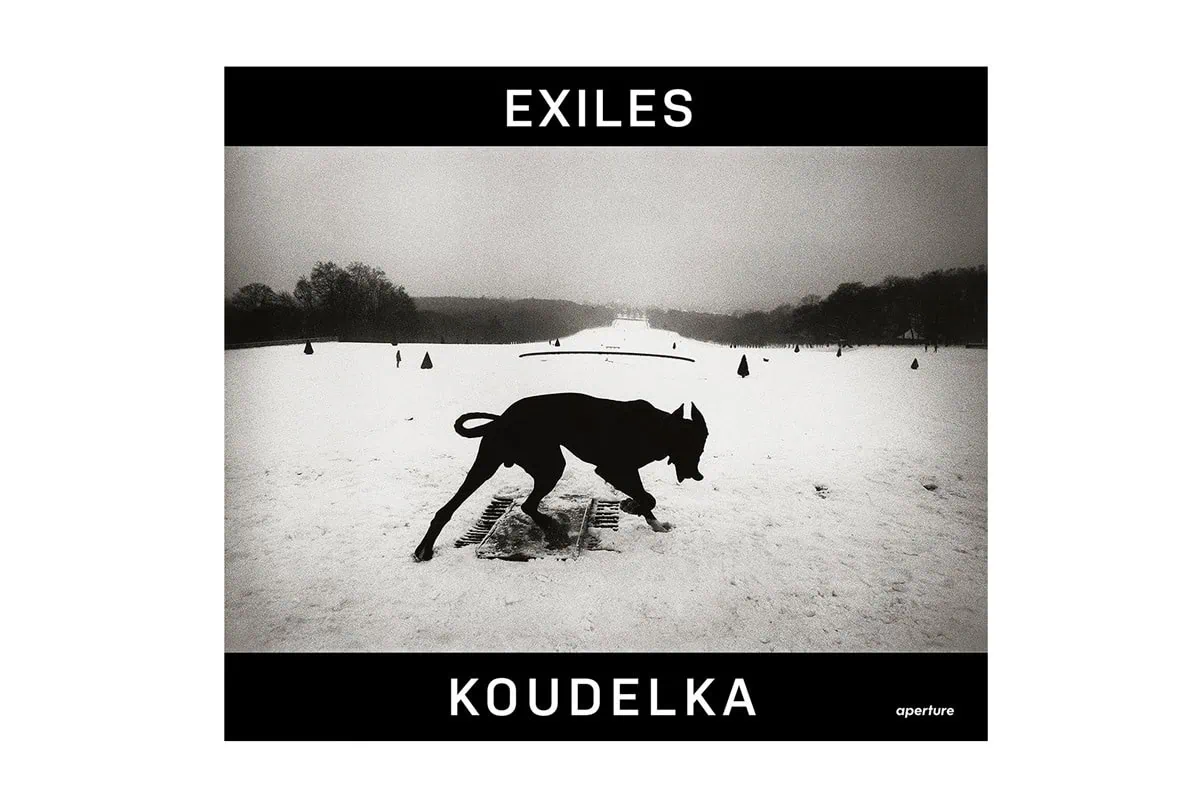
Why it inspires:
Koudelka’s Exiles is deeply philosophical. His photographs don’t describe places; they describe states of being.
Loneliness, displacement, waiting, movement — these are his recurring subjects. His figures often appear small within vast landscapes, walking roads that seem to lead nowhere, surrounded by light that feels both divine and isolating.
Black and White Minimalism
Koudelka’s mastery of black and white is legendary. His contrasts are stark yet lyrical — deep blacks, luminous whites, and the silvery midtones of twilight.
In Exiles, this monochrome language becomes a metaphor for existence itself — for the thin line between hope and despair, belonging and isolation. His compositions are rigorous, often geometric, but never cold; emotion radiates through every frame.
Koudelka reminds us that black and white isn’t a limitation — it’s purity.
The Nomadic Spirit of the Artist
After leaving his homeland, Koudelka lived without a fixed home for years — sleeping outdoors, moving constantly, carrying only his camera and film. That restlessness infused his work with rare authenticity.
Exiles is not about photographing from the outside — it’s about living the experience of wandering, uncertainty, and freedom.
He embodies the artist’s calling to follow intuition, to let life itself shape the work, and to find meaning in transience rather than stability.
Humanity Seen from the Margins
Koudelka’s lens gravitates toward outsiders — gypsies, travelers, pilgrims, the forgotten. His empathy for those living between worlds mirrors his own life.
In Exiles, these people are never pitied. They are portrayed with dignity, mystery, and strength. Through them, he reveals universal emotions — joy, sorrow, isolation, and faith.
He shows that to understand humanity, sometimes you must stand apart from it — to observe with compassion, not judgment.
The Art of Composition
Koudelka’s images balance raw emotion with extraordinary formal beauty. Every photograph feels deliberate, almost musical, composed of rhythm and silence.
He uses light and space like a composer uses notes — to create tension, harmony, and release. This fusion of structure and feeling elevates Exiles beyond documentary — into the realm of art.
A Testament to Freedom and Integrity
Perhaps most inspiring of all, Exiles is the record of a man who refused compromise. Koudelka lived simply, made work for himself, and remained devoted to truth over fame.
His photographs are the result of inner necessity, not external demand — the mark of a true artist.
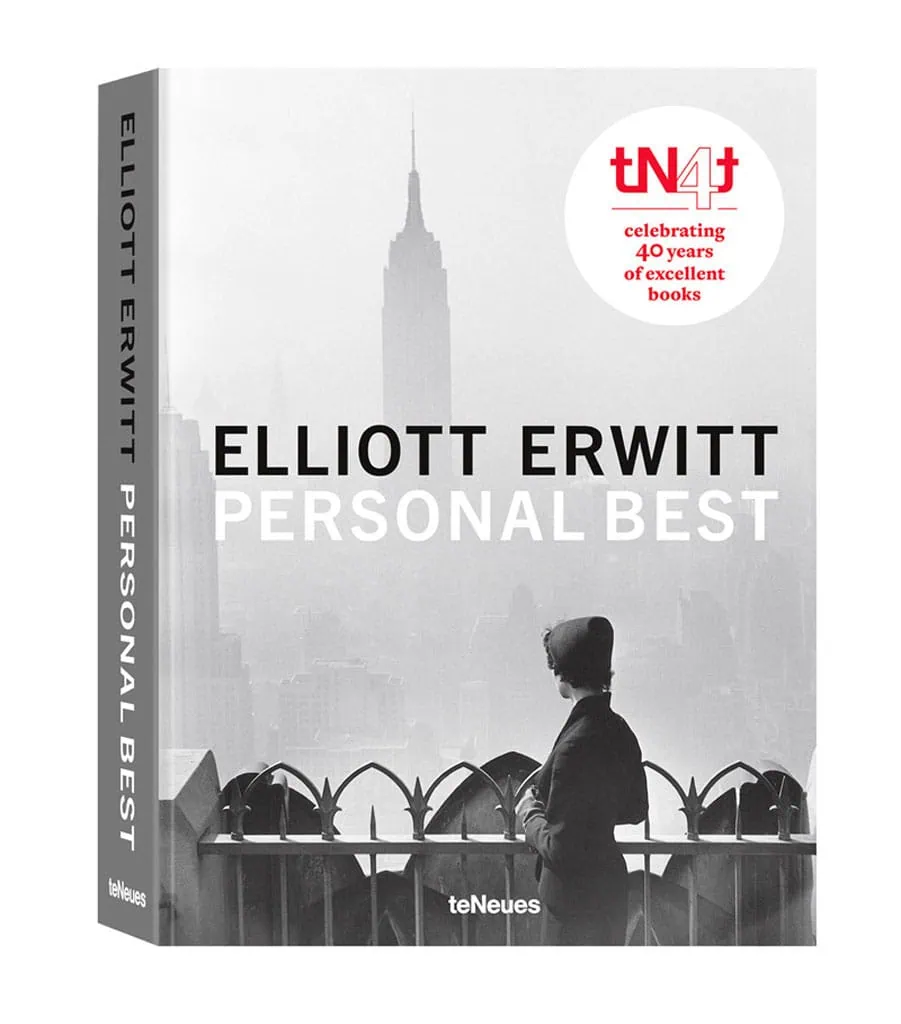
Elliott Erwitt - “Personal Best”
Elliott Erwitt’s Personal Best is a career-spanning retrospective that distills over six decades of his work — an extraordinary journey through humanity, captured with humor, warmth, and elegance.
As one of Magnum Photos’ great storytellers, Erwitt mastered the art of the decisive moment with a wink. His images are intelligent, funny, and deeply human.
Why it inspires:
Erwitt’s photographs often make people smile, but behind that humor lies profound insight. He uses irony not to mock, but to reveal.
Dogs that mimic their owners, lovers caught mid-kiss, a man’s hat blown off in the wind — all become metaphors for the absurd beauty of human existence.
Erwitt reminds us that laughter is not superficial — it’s a universal language. His images show that humor can be a form of truth, a bridge between the photographer and the viewer.
The Everyday as Extraordinary
In Personal Best, Erwitt turns ordinary life into art. His genius lies in noticing what others overlook — the fleeting gesture, the odd juxtaposition, the poetry in imperfection.
He doesn’t stage or manipulate; he simply sees. His world is alive with timing, intuition, and empathy. He teaches photographers that magic isn’t found in exotic locations or rare moments — it’s found in the act of paying attention. To see beauty in the banal is to truly see.
The Elegance of Simplicity
Erwitt’s compositions are deceptively simple — clean, balanced, and timeless. Every frame is deliberate, yet feels spontaneous.
His mastery of black and white allows emotion and geometry to coexist perfectly; his tones are luminous, his contrasts soft but expressive.
A Lifelong Curiosity About People
Whether photographing presidents or street children, Erwitt treats all his subjects with the same curiosity and respect.
He had access to powerful figures — like Nixon, Kennedy, or Marilyn Monroe — yet his gaze was always democratic. He photographed with the heart of an observer, not a celebrity hunter.
The Artist’s Freedom of Spirit
What makes Personal Best so inspiring is its authenticity. It is not a commercial portfolio or a technical showcase — it’s a reflection of a life lived with curiosity and playfulness.
Erwitt never took himself too seriously, yet his body of work is among the most respected in the history of photography. That balance — of rigor and joy — is rare and precious.
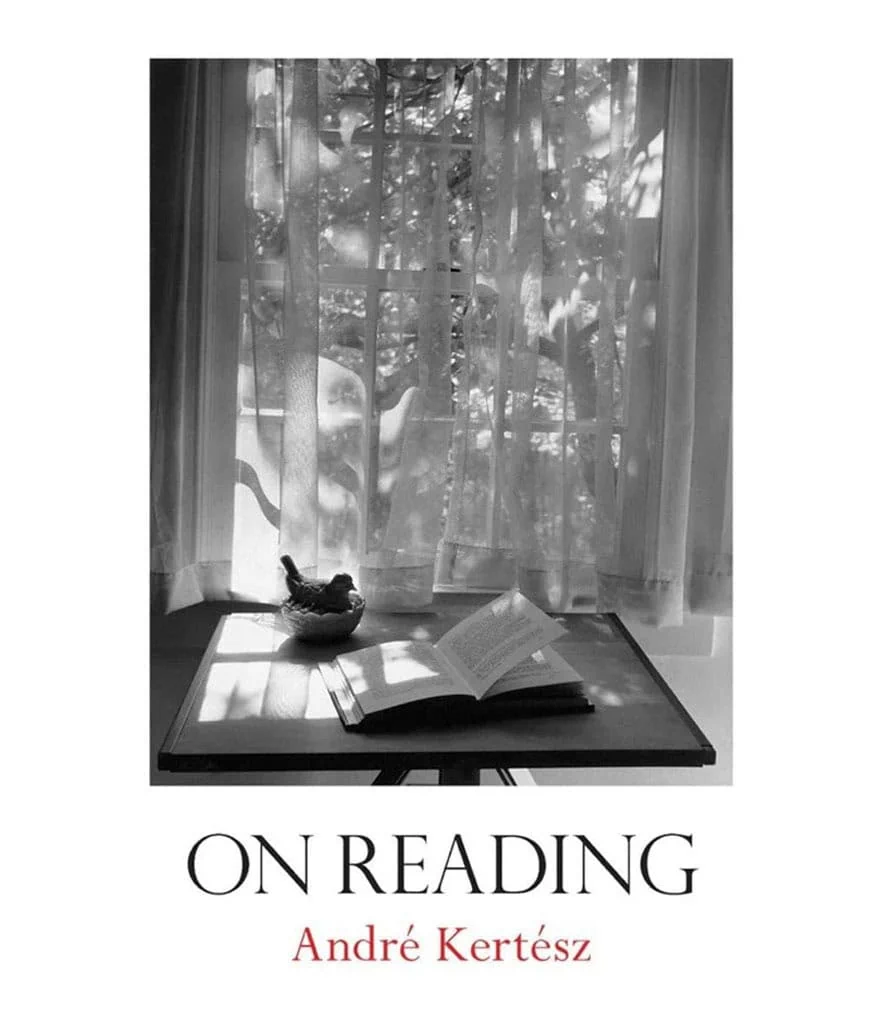
André Kertész – “On Reading”
Quiet, intimate, and deeply human, On Reading is a lifelong series capturing people absorbed in books. Kertész’s delicate sense of timing and light transforms ordinary moments into poetry.
Published in 1971, On Reading gathers decades of Kertész’s photographs taken between the 1920s and the 1960s — from Paris to New York, from small villages to bustling cities.
The book’s subject is deceptively simple: people reading. Yet within that simplicity lies infinite variety and depth. Through these quiet moments, Kertész reveals the inner life of his subjects — their dreams, concentration, and peace.
Why it inspires:
Kertész had a gift for finding beauty in the ordinary. A woman reading on a rooftop, a boy lost in a book beside a bicycle, a man sitting by the window with a newspaper — these are simple scenes elevated into timeless compositions.
He believed that photography was not about documenting the extraordinary, but about seeing the ordinary extraordinarily.
Kertész teaches that beauty doesn’t demand spectacle. It reveals itself to those who look gently, with patience and love.
The Art of Observation and Timing
Kertész’s approach was quiet, unobtrusive. He waited for moments that spoke of intimacy rather than drama. His photographs have the grace of a whisper — fleeting instants where gesture, light, and thought align perfectly.
Each frame feels natural yet impossibly precise. The balance of shapes, the play of shadow, the tilt of a head — all speak of deep awareness and respect for the moment.
Solitude as a Source of Connection
Every photograph in On Reading feels private, yet universal. The act of reading isolates us, but it also connects us — to ideas, to imagination, to other minds across time.
Kertész captures that paradox beautifully. His readers seem alone, yet profoundly connected to the invisible worlds within their books.
He reveals that photography, like reading, is an act of quiet communion — an exchange between inner and outer worlds.
Mastery of Form and Light
Kertész’s formal discipline was remarkable. His compositions are perfectly balanced, with soft natural light and delicate tonal gradations.
He used geometry intuitively — chairs, windows, books, and bodies forming subtle patterns of harmony. His black and white palette evokes calm, focus, and reflection.
A Celebration of Human Intimacy
Though his subjects are absorbed in their books, Kertész’s images are full of warmth. There’s affection in the way he observes them — a deep respect for their vulnerability and concentration.
Timelessness
Half a century after its publication, On Reading still feels fresh and relevant. The world has changed, but the act of reading — of being absorbed in silence — remains the same.
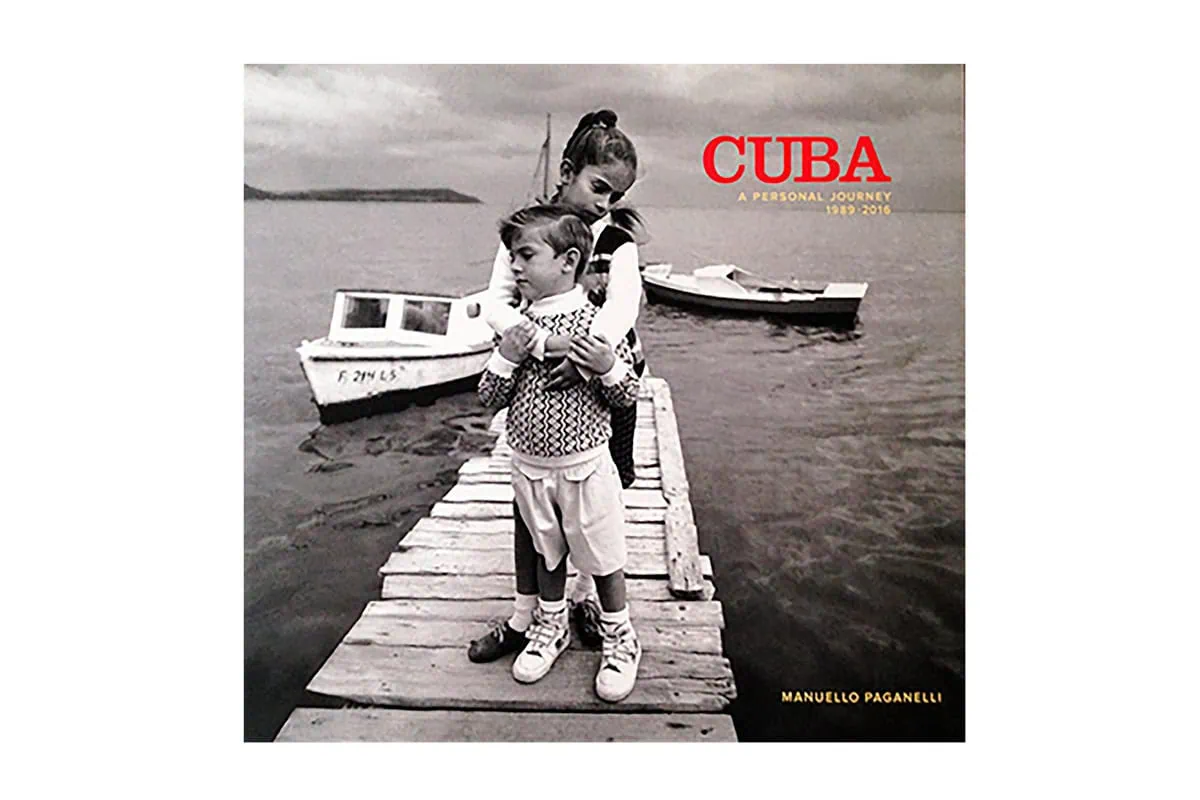
Manuello Paganelli – “Cuba: A Personal Journey 1989–2020”
A more recent addition to the canon of “Masters of Photography“, Manuello Paganelli’s Cuba: A Personal Journey spans over three decades of life on the island. His black and white portraits reveal a Cuba of soul and resilience, far from clichés.
Over more than thirty years, Paganelli returned again and again to Cuba — not as a tourist or outsider, but as a friend, an observer, and ultimately, a storyteller of the Cuban spirit.
His friendship with Ansel Adams inspired his work, as did his experience working for publications such as Forbes, TIME, LIFE, Newsweek, and Sports Illustrated.
Why it inspires:
Paganelli blends documentary depth with artistic intimacy. His vision honors the people he photographs — showing that even today, black and white remains a language of truth.
A Long-Term Commitment to Truth
Paganelli began photographing Cuba in 1989, long before it became accessible to most outsiders. Over 30 years, he witnessed subtle transformations — yet his focus remained on the essence of the Cuban spirit, not the surface of change.
His work transcends reportage. It’s an act of fidelity — returning again and again to understand a culture, not just capture it.
Paganelli shows that true photography is built on commitment. When you return to a place over time, the place begins to speak back to you.
The Soul of Black and White
Paganelli’s choice to photograph Cuba in black and white gives the book its timeless character. Stripped of color, the viewer is drawn to expressions, gestures, textures — the essence of life.
His tonal range is extraordinary: rich shadows, glowing highlights, and subtle grays that echo the emotional complexity of his subjects.
Human Connection
Unlike many who photograph Cuba as an aesthetic spectacle — all vintage cars and pastel walls — Paganelli turns his gaze toward the people. His portraits radiate dignity and intimacy.
He captures daily life with empathy: a musician’s concentration, a child’s laughter, a quiet moment by the sea. His camera is never intrusive; it participates, listens, and respects.
A Dialogue Between Past and Present
Spanning three decades, the book is also a meditation on time. Paganelli’s Cuba exists in the tension between nostalgia and endurance — a place where the past and present coexist in every gesture.
Through consistent vision and patience, he builds a visual narrative of cultural identity and change. His work encourages photographers to see beyond moments — to build bodies of work that evolve with their own lives and perspectives.
A Personal Vision Rooted in Emotion
The title says it clearly: A Personal Journey. Paganelli is not trying to define Cuba; he’s sharing his relationship with it. That honesty makes the book deeply moving.
Continuity with the Masters
There’s a lineage running through Paganelli’s work — echoes of Cartier-Bresson’s timing, Koudelka’s solitude, and Salgado’s humanism — yet his voice is distinctly his own.
He continues the great tradition of the Masters of Photography, proving that black and white documentary art is as vital now as ever.
Today, he has decided to show the Cuba he photographs and knows so well through his Photography Workshops with IPW (International Photo Workshops), bringing passionate photographers to Cuba.
Why These Photography Books Matter
Each Black and White Photography Book on this list is a window into how the masters saw the world — from Adams’s monumental landscapes to Lange’s empathy, from Moriyama’s chaos to Paganelli’s quiet humanity.
Together, they form a curriculum for anyone who wants to grow as a photographer:
Study Adams to understand light.
Follow Frank to learn authenticity.
Embrace Moriyama to find emotion in imperfection.
Listen to Salgado to tell stories that matter.
Explore Paganelli to see how timeless traditions still evolve today.
Conclusion: Learning from the Masters of Photography
The greatest photography books do more than show great pictures — they teach us to see. Each of these works carries a unique voice, a vision forged through time, patience, curiosity, and courage.
So the next time you lift your camera, remember what these Masters of Photography taught. Light and shadow are just the beginning — what matters most is the soul behind the lens and the story you have to tell.
Invest in these books, revisit them often, and let them remind you that in black and white, the world’s deepest truths are still waiting to be discovered.