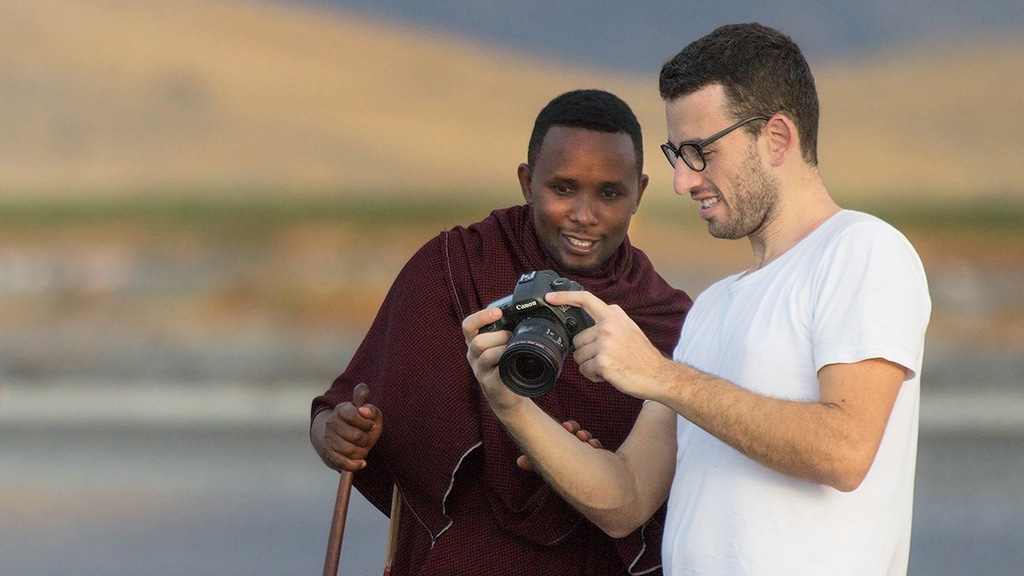
What is the role of the Photographer in the Age of AI?
The answer lies in something deeper than technique—something that cannot be coded into an algorithm: Human Value.
The World of Photography has always been tied to technological progress. From the transition to digital cameras, to the rise of smartphones and social media, every innovation has reshaped how we capture and share images.
Today, we stand at the frontier of another profound shift: the Age of Artificial Intelligence. AI can now generate highly realistic images, edit photographs automatically, and even mimic artistic styles with the click of a button.
Table of Contents
Artificial Intelligence: a Market in Transformation
There’s no doubt that AI has changed the market. Commercial clients now have access to tools that can quickly generate advertising images or product mockups without the need for a photoshoot. Portrait retouching, background replacement, and even complex editing can be automated.
These changes are reducing the entry barrier for many and, at the same time, intensifying competition for professionals.
But this isn’t the first time photographers have faced disruption. The shift from analog to digital was met with skepticism. The explosion of smartphone cameras put the power of photography in everyone’s hands. Yet, through every wave of change, those who adapted—those who emphasized creativity, storytelling, and connection—continued to thrive.



Human Made Photography: The Challenge
The challenge today is not about competing with machines on speed or precision. The challenge is to show clients and audiences why your work matters.
That means rethinking what makes photography unique. A session with a photographer is more than just the final image—it’s an experience. It’s the conversation before the shutter clicks, the trust built during a shoot, the subtle encouragement that helps someone feel at ease. A Human Photographer interprets not only light and form but also emotion, atmosphere, and meaning.
No AI can replicate the warmth of a shared laugh during a portrait session, the sensitivity of navigating a cultural context respectfully, or the intuition of capturing a fleeting expression that tells a person’s story.
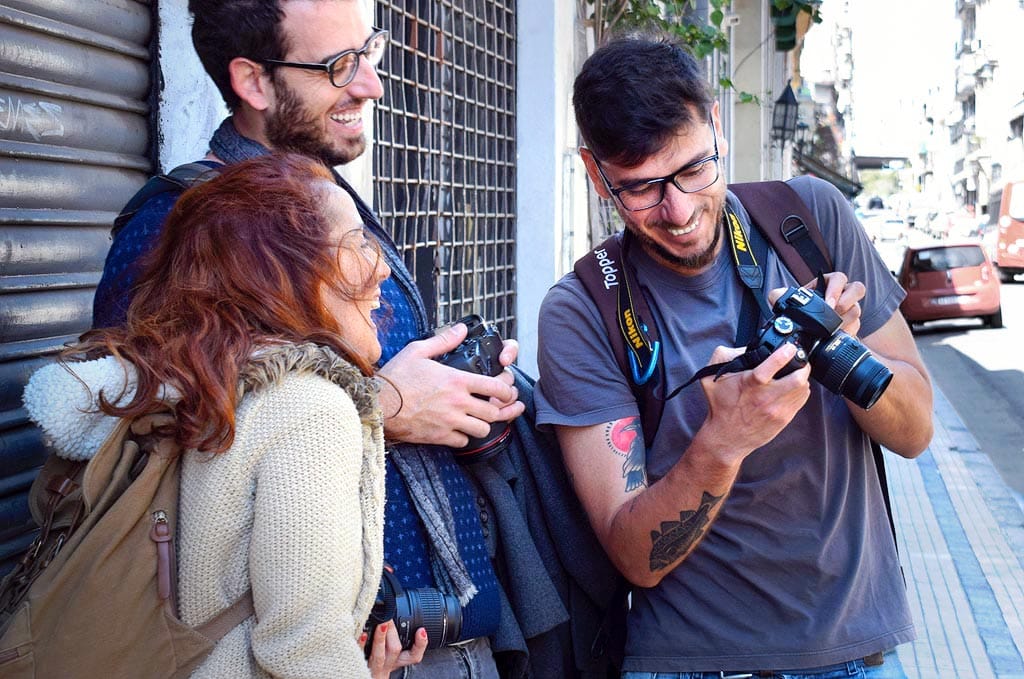
The Fields Where Human Vision Still Matters Most
Not all areas of photography are equally affected. In fact, there are fields where the human element remains irreplaceable — where connection, authenticity, and presence make the difference between an image and a true photograph.
Documentary & Photojournalism
When it comes to documenting real events, AI cannot replicate the presence of a photographer on the ground. The value of photojournalism lies not only in the final image but in the act of being there — witnessing, interpreting, and capturing a moment in its authentic context. Audiences continue to trust photographs that are backed by the integrity of a photographer’s presence, especially when telling stories of conflict, social movements, or cultural events.
Portrait Photography
AI can create simulated faces or generate “perfect” likenesses, but it cannot replace the bond between a photographer and their subject. Portraiture is not just about technical accuracy; it is about connection. The way a photographer interacts, earns trust, and creates a space where the subject feels seen and understood, results in images full of emotion and depth — something no algorithm can reproduce.
Travel & Cultural Photography
Travel Photography is rooted in discovery and personal experience. AI can generate fantasy landscapes, but it cannot replace the excitement of walking through a vibrant market, capturing a festival, or feeling the light shift over a mountain range. These photographs are valuable not only for their aesthetic appeal but also for the lived journey they represent.
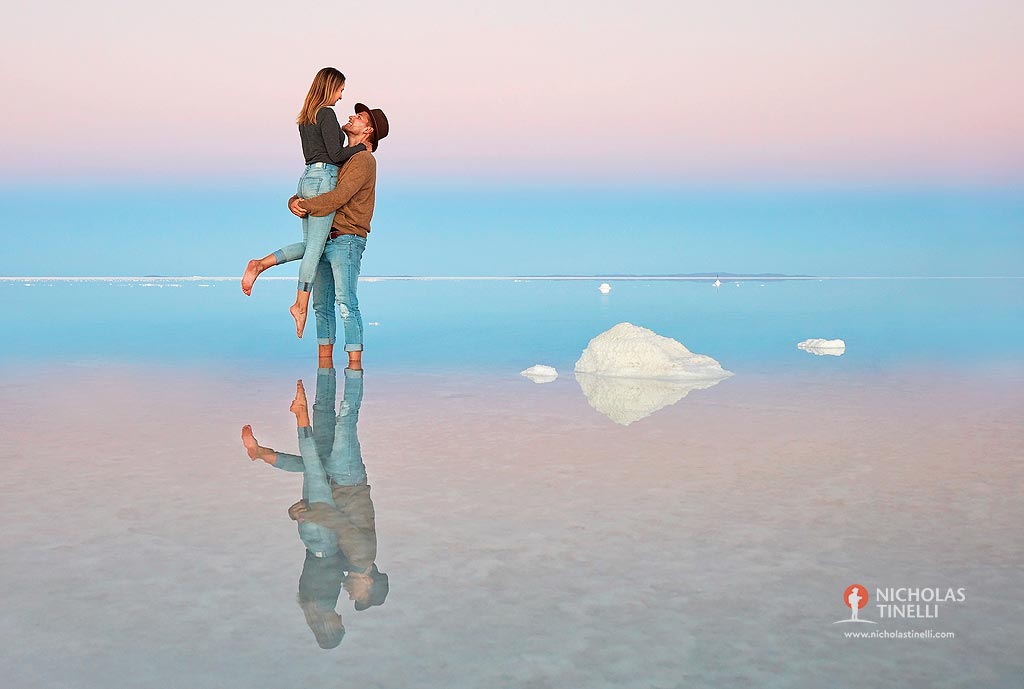
Wildlife Photography
Wildlife Photography depends on patience, knowledge of animal behavior, and the ability to be in the right place at the right time. While AI can fabricate animal portraits, it cannot replicate the thrill of a real encounter — the sudden leap of a guanaco in Patagonia, the flight of a condor above the Andes, or the subtle detail of a jaguar hidden in the forest. For conservation work and environmental awareness, authenticity is essential.
Event & Personal Milestone Photography
From weddings to family reunions, these moments carry personal and emotional weight that cannot be manufactured. Photographers are not only image-makers but also participants in these stories, entrusted with preserving memories that have real emotional significance for the people involved. An AI-generated image might look beautiful, but it lacks the personal connection that gives these photographs their value.
Fine Art Photography
True Fine Art Photography is deeply tied to the vision of the artist — their story, emotions, and interpretations of the world. While AI can mimic styles, it cannot replicate personal experience or intention. Collectors and audiences value the authenticity of a human perspective, the imperfections and decisions that reflect an artist’s voice.
The Opportunity for a Photographer in the age of AI: Human Value
The rise of AI, paradoxically, has made the human element more valuable. In a world overflowing with synthetic images, authenticity stands out. People are becoming more conscious of what is real, what is personal, and what is made through genuine human interaction.
Photographers today have the opportunity to highlight their role as storytellers, not just image-makers. Whether documenting a wedding, an indigenous community, or the atmosphere of a city, a photographer is present—observing, listening, and interpreting reality. That presence cannot be automated.
Moreover, AI tools can be allies rather than enemies. They can streamline workflows, free time from repetitive tasks, and expand creative possibilities. The key is to use them consciously, as instruments that enhance—not replace—your vision.
Many tools that digital photographers use on a daily basis now make use of AI, such as Adobe Photoshop.
A Call to Photographers
We are living in an era of profound change, but also immense possibility. Photographers who embrace their Human Value—empathy, creativity, connection—will continue to have a vital role. Technology may evolve, but the hunger for stories, for truth, and for authentic human presence will never disappear.
The camera has always been more than a machine. In your hands, it becomes a bridge between people, cultures, and emotions. In the age of AI, that bridge is more necessary than ever.
So keep creating. Keep connecting. Keep telling the stories only you can tell. Because no matter how advanced technology becomes, there is one thing it can never replicate: you.