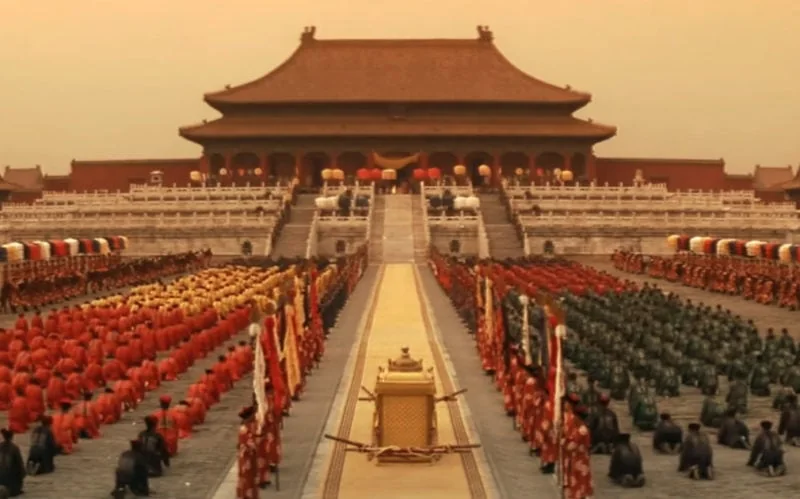
Travel Photography is about more than documenting places — it’s about telling visual stories that capture the atmosphere, culture, and emotion of each destination.
A skilled Travel Photographer knows how to work with changing light, unfamiliar environments, and spontaneous moments to create compelling images that feel authentic and immersive.
From urban streets to remote landscapes, travel photography combines technical knowledge, creative vision, and cultural awareness to transform journeys into powerful visual narratives.
Whether you’re photographing iconic landmarks or everyday life, the goal of a travel photographer is to connect viewers with the experience of being there, turning travel moments into lasting images.
Essential Gear for Travel Photographers
When embarking on a journey to capture stunning travel photographs, having the right gear is crucial. A reliable camera is your most important tool.
While many smartphones today boast impressive cameras, investing in a DSLR or mirrorless camera can significantly enhance your capabilities. These cameras offer larger sensors, better low-light performance, and the ability to swap lenses for different scenarios.
- Furthermore, observing the world through the viewfinder of a camera, isolated from our surroundings, with attention, is not the same as taking photos with a smartphone.
Consider carrying a lightweight tripod for stability in low-light conditions and for shooting long exposures. A tripod can also be useful for self-portraits, allowing you to be part of the scenes you capture.
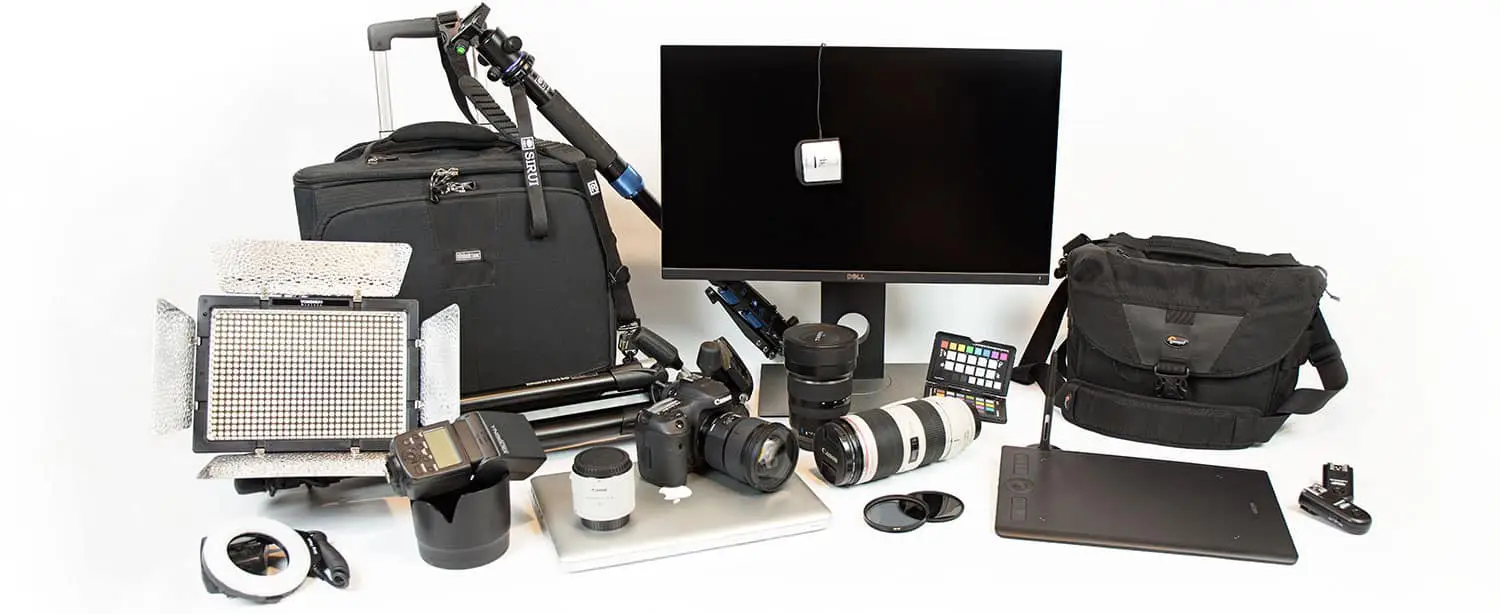
Lenses are another essential component of your gear. A versatile zoom lens, such as an 18-200mm, can cover a wide range of focal lengths and is perfect for travel photography. Additionally, a prime lens with a wide aperture, like a 50mm f/1.8, is great for portraits and low-light situations.
Don’t forget to pack extra memory cards and batteries; the last thing you want is to run out of storage or power at a crucial moment. A portable external hard drive or a cloud storage solution can also be invaluable for backing up your photos on the go.
Accessories like a camera bag, lens cleaning kit, and filters can also make a significant difference. A sturdy, weather-resistant camera bag will protect your gear from the elements and provide easy access to your equipment. Filters, such as polarizers and ND filters, can help manage reflections, enhance colors, and control exposure in tricky lighting conditions.
Lastly, consider a comfortable camera strap, as you’ll likely be carrying your camera for extended periods.
Understanding Composition in Travel Photography
Composition is the foundation of any great photograph. Understanding and applying fundamental composition techniques can transform your travel photos from ordinary to extraordinary.
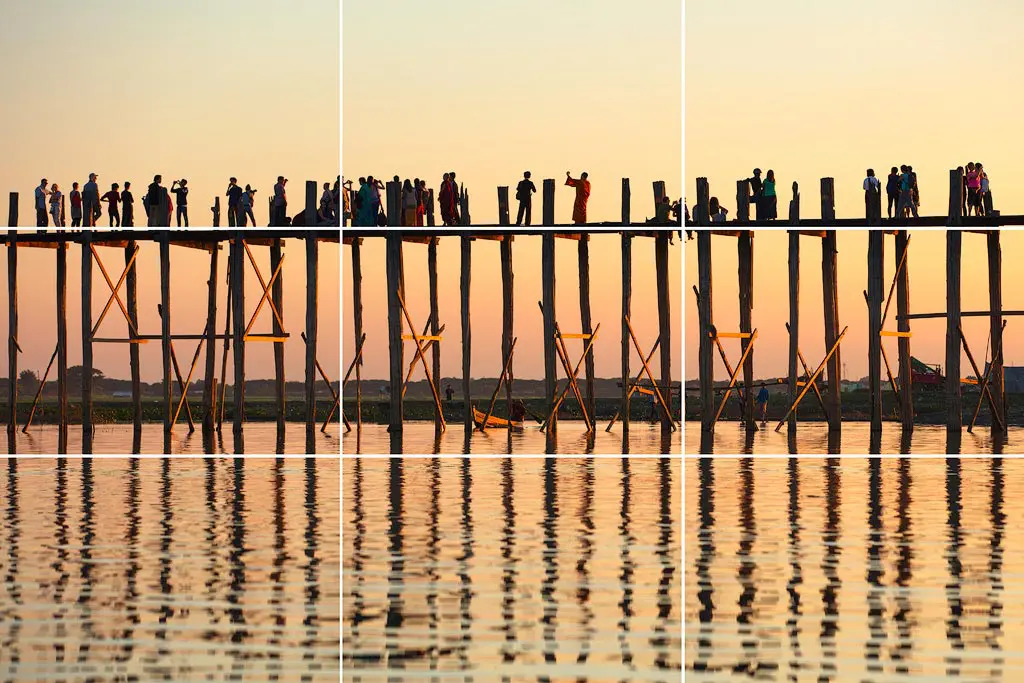
The rule of thirds is a classic guideline that suggests dividing your frame into a grid of nine equal parts and placing your subject along these lines or at their intersections. This creates a more balanced and visually appealing image. Experiment with different compositions to see what works best for each scene.
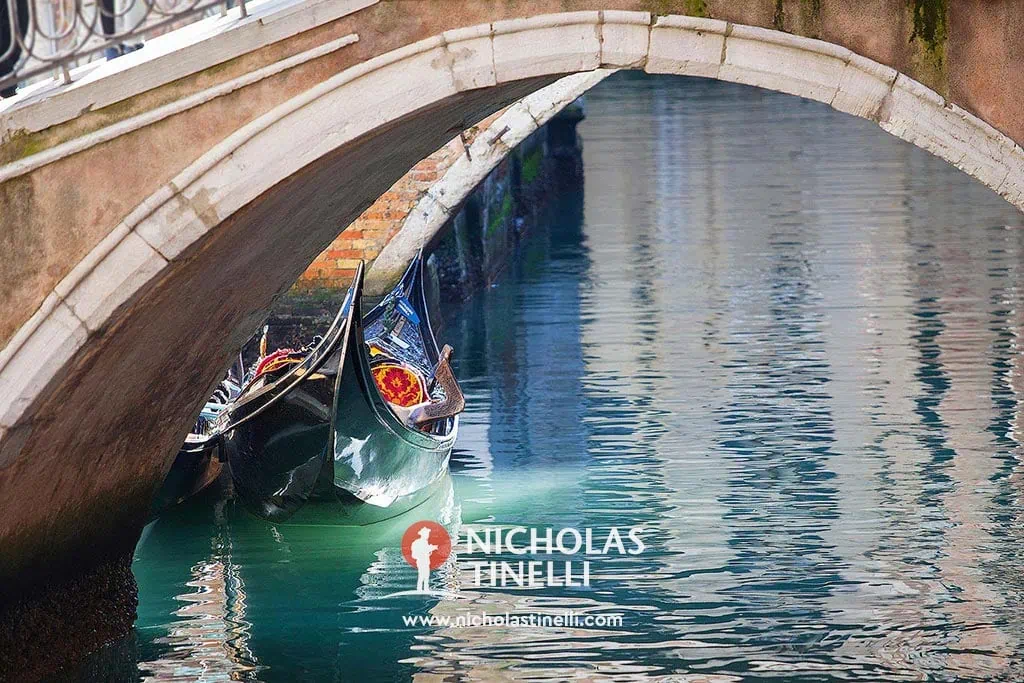
Leading lines are another powerful compositional tool. These are lines within the image that lead the viewer’s eye towards the main subject. Roads, rivers, fences, and pathways are common examples of leading lines in travel photography. They create depth and draw attention to specific elements in your frame. Additionally, consider using natural frames, such as archways, windows, or trees, to enclose your subject and add context to your shot.
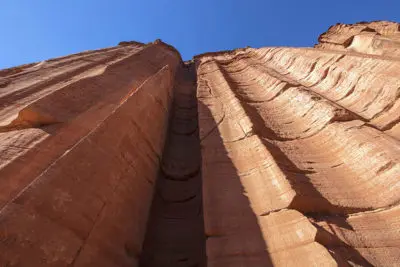
Perspective and angles can dramatically change the impact of your photos. Don’t be afraid to get low to the ground or find a high vantage point to capture a unique perspective. Changing your viewpoint can reveal details and compositions that might be overlooked at eye level. Play with different angles to add variety and interest to your travel photography portfolio.
The Importance of Lighting in Your Shots
Lighting is one of the most critical elements in photography.
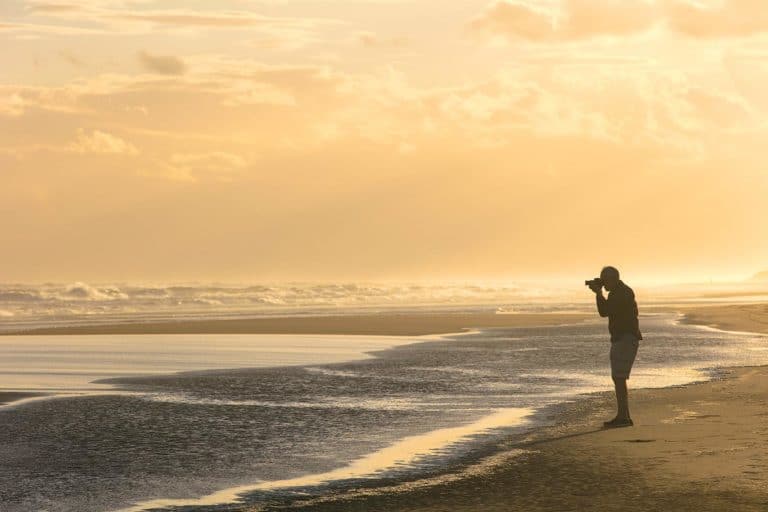
Understanding how to work with natural light can make or break your travel photos. The golden hour, which occurs shortly after sunrise and before sunset, provides soft, warm light that’s ideal for photography.
During this time, shadows are longer, and the light has a beautiful, golden quality that enhances colors and adds depth to your images. Plan your shoots around these times to take advantage of the best natural light.
However, Travel Photography often involves shooting at various times of the day and in different lighting conditions.
Midday sunlight can be harsh and create unflattering shadows. In such cases, look for shaded areas or use a reflector to soften the light.
Overcast days, on the other hand, provide diffused light that’s perfect for shooting portraits and capturing details without harsh shadows. Understanding how to adapt to different lighting conditions is key to consistently producing great photos.
Night Photography presents its own set of challenges and opportunities. Capturing cityscapes, street scenes, or starry skies requires a different approach.
Use a tripod to stabilize your camera for long exposures, and experiment with different shutter speeds to capture light trails, reflections, and other nighttime elements. Don’t be afraid to bump up the ISO, but be mindful of noise. Post-processing can help reduce noise and enhance the clarity of your night shots.
Tips for Capturing Local Culture and People
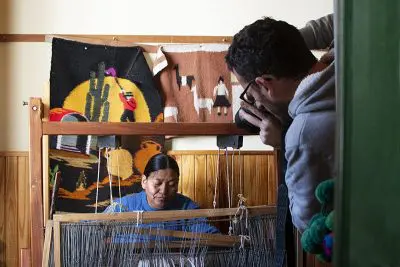
One of the most rewarding aspects of Travel Photography is capturing the essence of the local culture and the people you encounter.
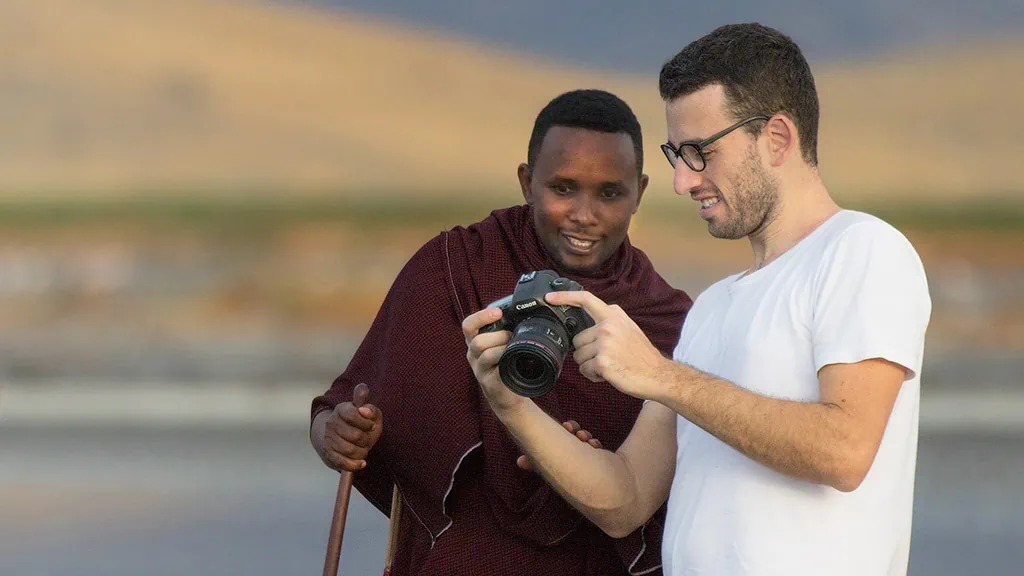
To do this effectively, it’s important to be respectful and mindful of the cultural context. Engage with the locals, learn a few phrases in their language, and show genuine interest in their way of life.
Building rapport can lead to more authentic and candid shots. Ask for permission if necessary, before photographing people, and respect their wishes if they decline.
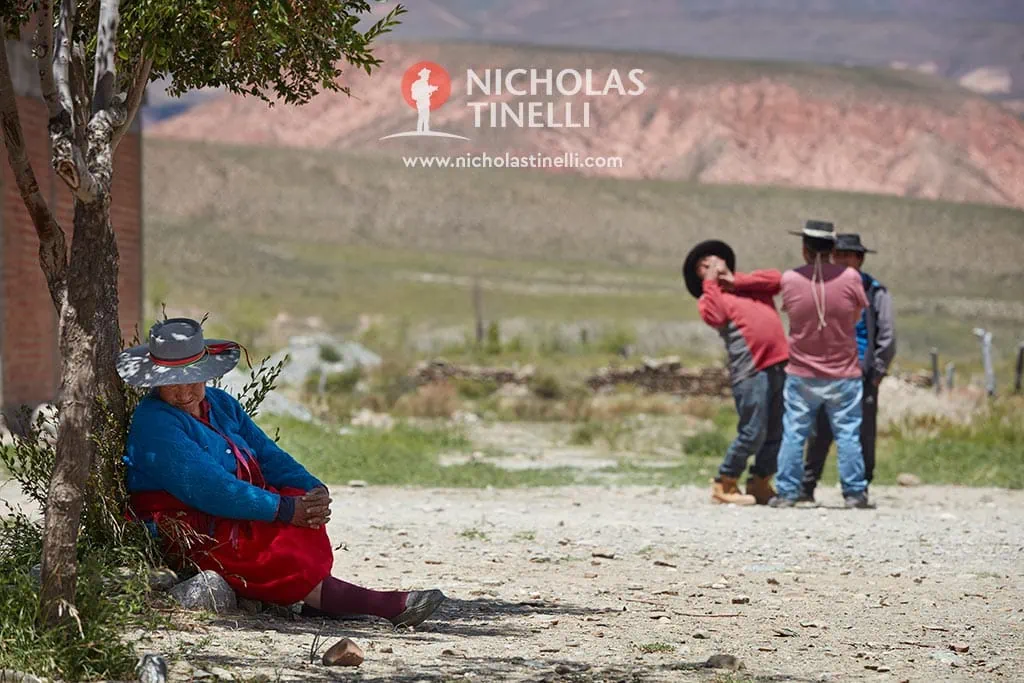
Portraits are a powerful way to tell the stories of the people you meet. Focus on capturing their expressions, attire, and the environment they’re in.
Use a wide aperture to create a shallow depth of field, which will isolate your subject and make them stand out against a blurred background.
Pay attention to the lighting and composition to enhance the impact of your portraits. Candid shots can also be incredibly evocative, capturing spontaneous moments that convey the true spirit of a place.
Cultural events, festivals, and daily activities offer a wealth of photographic opportunities. Documenting these moments requires anticipation and quick reflexes.
Be prepared to capture the action as it unfolds, and don’t be afraid to get close to the action. Use a fast shutter speed to freeze motion, or a slower one to capture the movement and energy of the scene. Look for unique angles and perspectives to create dynamic and engaging photos.
Techniques for Landscape Photography on the Go
Capturing the beauty of landscapes is a staple of Travel Photography.
To create stunning landscape photos, it’s important to consider the elements of the scene and how they interact. Start by scouting locations and planning your shots. Researching the best viewpoints and times to shoot can make a significant difference.
Use apps or online resources to check sunrise and sunset times, tide schedules, and weather conditions. Arriving early or staying late can help you capture the scene in the best light.
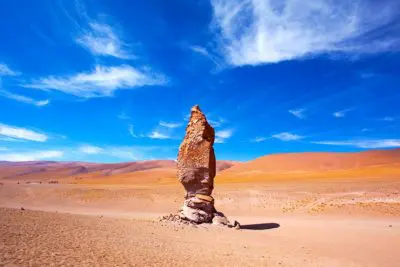
Foreground interest is a key element in landscape photography. Including elements like rocks, flowers, or leading lines in the foreground can add depth and draw the viewer’s eye into the scene. Experiment with different compositions to find the most compelling arrangement. Using a wide-angle lens can help you capture more of the scene and emphasize the sense of scale and grandeur of the landscape.
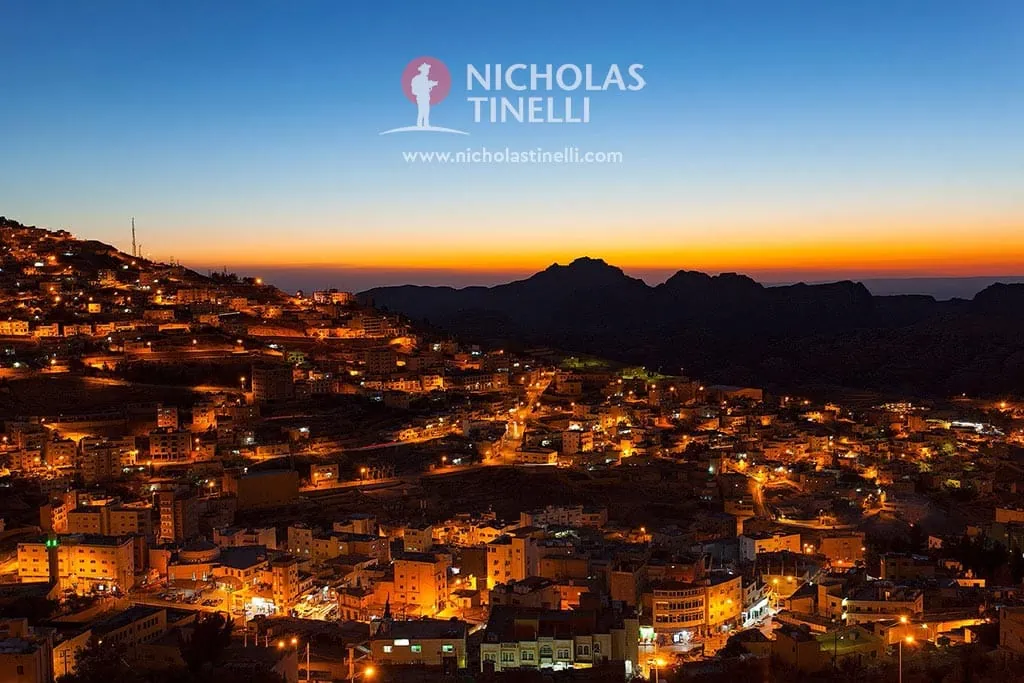
Long exposures can create dramatic effects in landscape photography, such as silky smooth water or cloud trails.
Use a tripod to keep your camera steady and set a low ISO to minimize noise. Experiment with different shutter speeds to achieve the desired effect.
Don’t forget to use a polarizing filter to reduce reflections and enhance colors, especially when photographing water or foliage. Post-processing can further enhance your landscape photos, bringing out details and colors that might not be immediately visible.
Post-Processing Tips for Enhancing Your Travel Photos
Post-processing is an integral part of modern photography. With the right techniques, you can enhance your travel photos and bring out their full potential.
Start by organizing and backing up your photos. Use software like Adobe Lightroom, Photoshop, DXO PhotoLab, Skylum Luminar Neo, or Capture One to manage your photos and make non-destructive edits.
Begin with basic adjustments such as exposure, contrast, noise, and white balance. These foundational edits can significantly improve the overall look of your images.
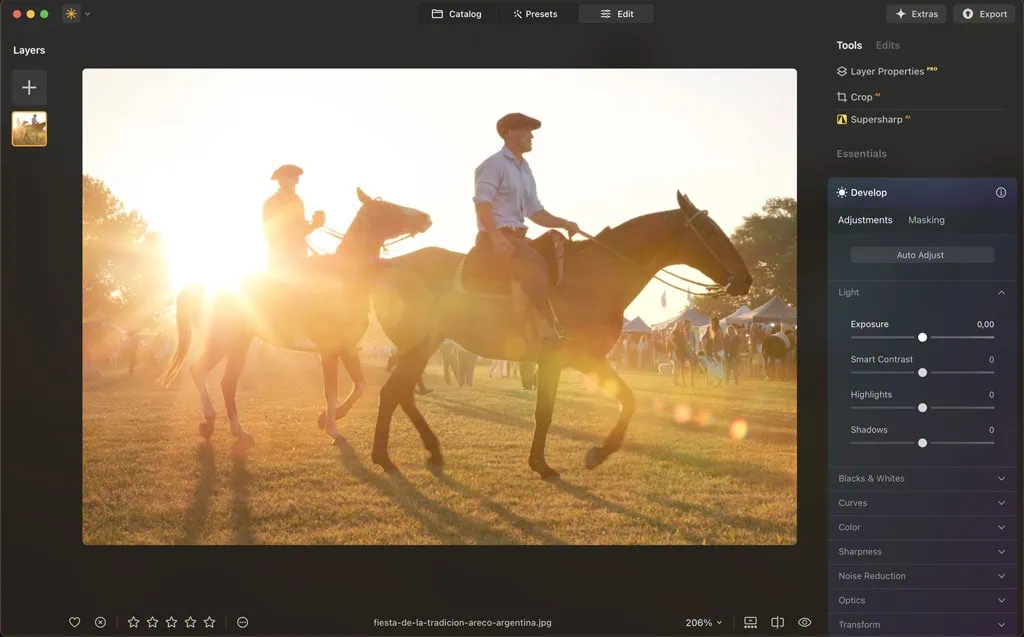
Cropping and straightening are essential steps in post-processing. Ensure your horizons are level and crop out any distracting elements that don’t contribute to the composition.
Use the rule of thirds and other compositional guidelines to enhance the visual appeal of your photos. Next, focus on color correction and enhancement.
Adjust the curves to bring out the colors and create the desired mood. Be mindful not to overdo it, as overly saturated images can look unnatural and not reflecting the scene you experienced.
If necessary, sharpen your images to bring out details, but be careful not to introduce artifacts. Use noise reduction to clean up any noise, especially in low-light shots. Always consider using localized adjustments to selectively enhance specific areas of your photo.
Tools like the adjustment brush and graduated filter in Lightroom allow for precise control over exposure, color, and other settings. Finally, export your images in the appropriate format and resolution for sharing or printing.
Building Your Travel Photography Portfolio
Creating a compelling Travel Photography Portfolio is essential for showcasing your work and attracting potential clients or followers. Start by curating your best images.
Quality is more important than quantity, so be selective and choose photos that represent your unique style and vision. Organize your portfolio into categories or themes, such as landscapes, portraits, or cultural events, to give it structure and coherence. This will make it easier for viewers to navigate and appreciate your work.
A well-designed website is a powerful tool for displaying your portfolio. Choose a clean and minimalist design that puts the focus on your photos. Include high-resolution images and ensure your website is mobile-friendly.
Sharing and Promoting Your Travel Photography
Sharing and promoting your Travel Photography is essential for reaching a wider audience and building your personal brand.
Social media platforms are powerful tools for showcasing your work and engaging with your audience. Instagram, in particular, is a visual-centric platform that’s ideal for photographers. Post regularly and use relevant hashtags to increase your visibility. Engage with your followers by responding to comments and messages, and collaborate with other photographers or influencers to expand your reach.
Creating a blog or YouTube channel can also help you share your travel photography journey. Write detailed posts or create videos about your experiences, photography tips, and the stories behind your photos. This content can provide value to your audience and establish you as an expert in the field.
Use SEO techniques to optimize your content for search engines, making it easier for people to find your work. Consistency is key, so establish a regular posting schedule and stick to it.
Participating in photography contests, exhibitions, and online communities can further promote your work. Submit your best photos to reputable contests and showcase your work in local or online galleries. Join photography forums, Facebook groups, and other online communities to connect with like-minded individuals and share your knowledge.
Offering workshops or online courses can also be a great way to share your expertise and generate income. The more you put yourself out there, the more opportunities you’ll create for your travel photography.
Conclusion: Your Journey to Stunning Travel Photography
Mastering Travel Photography is a journey that combines technical skills, creativity, and a passion for exploration. By understanding the essential gear, composition, lighting, and techniques for capturing local culture and landscapes, you can create stunning visual stories that inspire and captivate.
Post-processing, building your portfolio, and sharing your work are equally important steps in establishing yourself as a Travel Photographer.
Remember, the key to success in Travel Photography is continuous learning and practice. Embrace new challenges, experiment with different styles, and always be open to feedback.
Each journey offers unique opportunities to refine your skills and discover new perspectives. Whether you’re a seasoned photographer or just starting, the tips and techniques shared in this article will help you elevate your travel photography to new heights.
So pack your bags, grab your camera, and embark on your next adventure. Capture the beauty of the world through your lens and share your stories with the world.
Happy shooting!